The efficient home charging has become the preferred option for many electric vehicle drivers. Installing an electric car charger at home, with the help of an authorised electrician, offers clear advantages over charging in public.
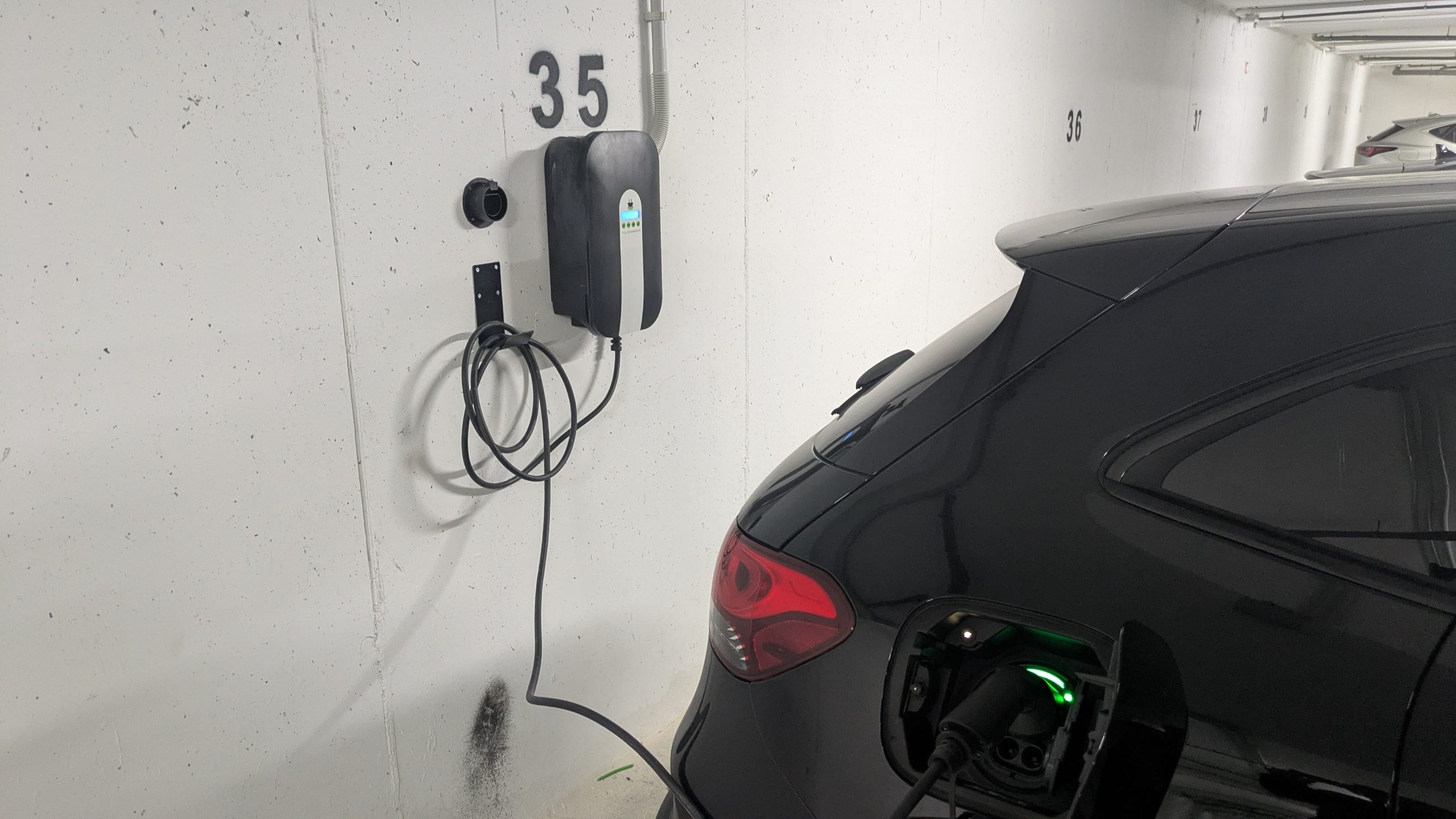
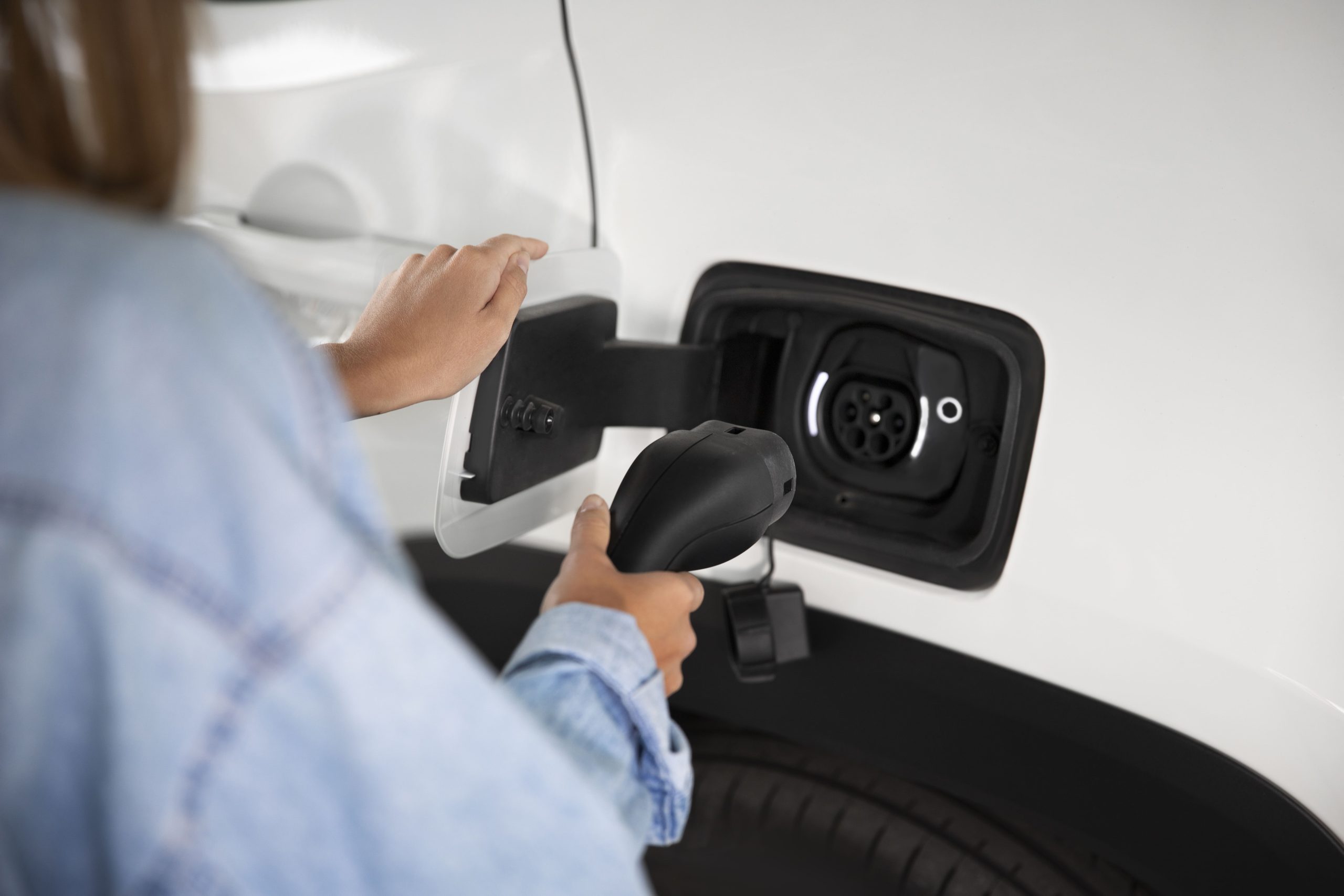
One of the biggest benefits is availability. You can charge your vehicle overnight while you rest, and have it ready every morning. You don't need to look for an available charging point or queue.
Save money with off-peak tariffs
As well as being convenient, charging at home can save you money. By taking advantage of off-peak tariffs, the cost per kilowatt is much lower than at public charging stations. This adds up to significant monthly savings.
Safety and control over the installation
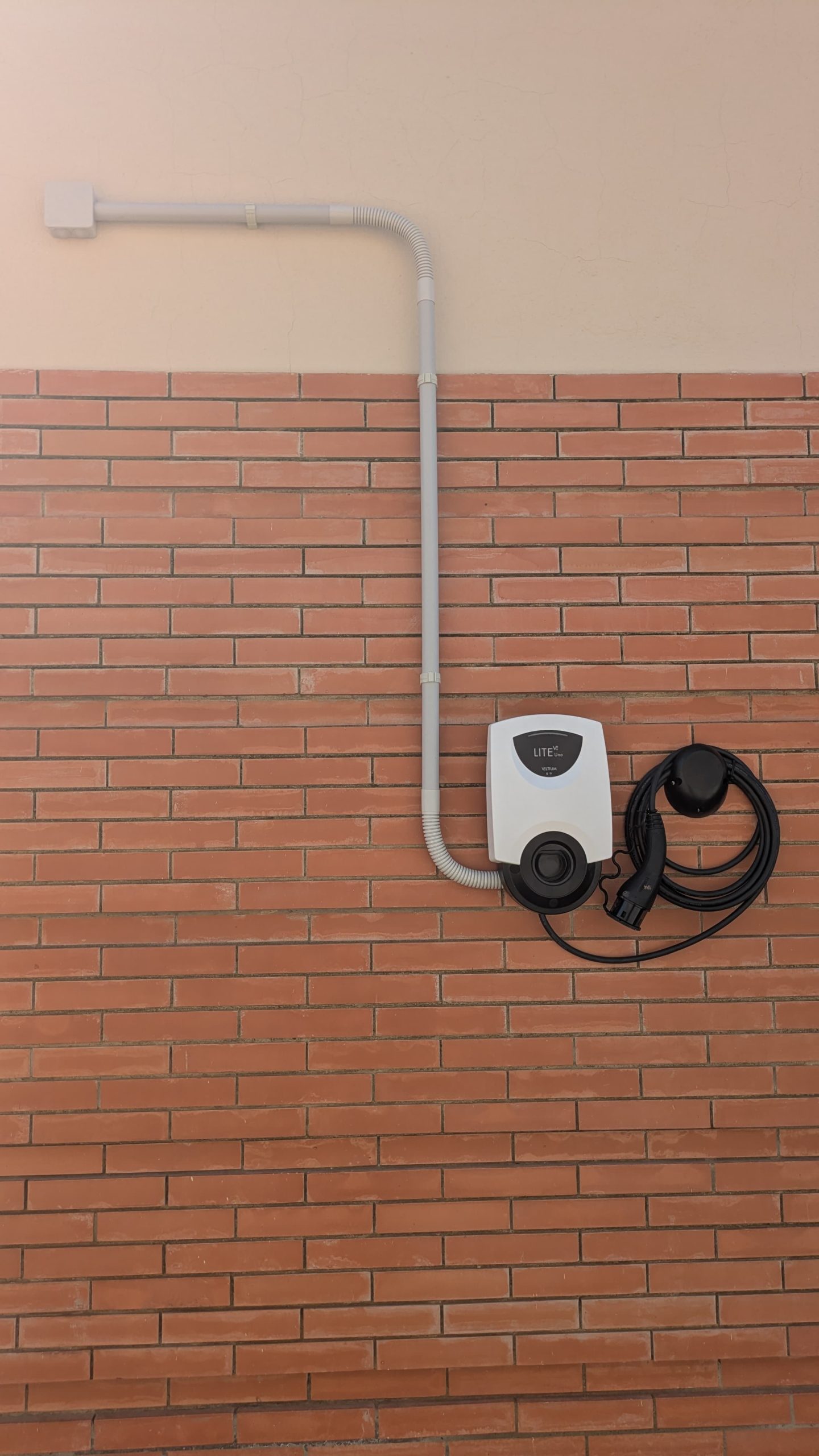
The installing a home charging point also improves safety. An authorised electrician ensures that the system complies with regulations and works correctly. In our electrical supplies shop in Rota, we offer quality products and expert advice.
The limitations of charging on the street
By contrast, charging on the street has some drawbacks. Charging stations are often occupied, some do not work properly, and the cost per charge is higher. You also have less control over the energy used and the time required.
Choose efficiency and independence
Having your own charging point means greater independence and savings. A efficient home charging is a smart investment for today and the future.
At Inmatelec, as an electrical company in Cádiz, we work every day to get closer to our customers, offering a transparent, visual and professional service. That’s why we’ve launched our profile on Instagram, where we share day-to-day updates from our electrical installations, useful tips and product news.
You’ll find us as @inmatelec, with content for homeowners, residents’ associations and businesses looking for a trusted electrical company in the province of Cádiz.
What do we share on Instagram?
🔌 Real electrical installation projects in homes and residential buildings 🚗 Electric vehicle charging point installation projects with Plan Moves III 🧰 New electrical supplies and appliances available in store 🛠 Examples of electrical refurbishments in Rota, Jerez, El Puerto de Santa María and other municipalities 👷 Our authorised electricians team in action
Why follow us if you’re looking for an electrical company in Cádiz?
Because on Instagram we show you what we do: no filters, with transparency and commitment. Our team shares genuine content so you can see how we work on every electrical installation, refurbishment or maintenance job.
At Inmatelec we are a electrical company in Cádiz specialising in:
Low-voltage electrical installations
Electric vehicle charger installation
Residential community maintenance
Electrical refurbishments
Electrical supplies and household appliances
We offer advice with no obligation and personalised service.
Where do we work?
📍 We are based in Rota, but we also carry out work in El Puerto de Santa María, Jerez de la Frontera, Chipiona and other areas of the province of Cádiz. We’re happy to travel to provide a complete service, from initial advice through to final installation, with a guarantee.
Installing a charging point in a shared residential garage is no longer an option for the future, but a present-day necessity. At Inmatelec, we specialise in charging points in shared residential garages and carry out fully compliant, grant-eligible installations in communal garages in Rota.
At Inmatelec, as authorised electricians in Rota, we install charging points in communal garages, comply with current regulations and manage all the paperwork for applying for available grants.
Why install a charging points in shared residential garages?
Convenience and savings: Charging your car in your parking space is cheaper than using public chargers.
Property value: A community prepared for electric vehicle charging is more attractive to prospective owners.
Energy efficiency: Smart technology manages charging around the cheapest tariff periods.
Grants available: The MOVES III Plan covers up to 70-80% of the cost in Andalucía.
Under the Horizontal Property Act, you do not need approval from the residents’ association if the installation is in an individual parking space connected to your meter. You only need to notify the chair or property manager in writing in advance.
If the charging point is for shared use, a majority vote is required.
Technical requirements for installing a charging points in shared residential garages
Free technical assessment. We visit the garage and assess the electrical system.
Detailed quotation. Includes materials, installation and options with smart control.
Documentation for the residents’ association. We provide the formal notice to inform the residents’ association.
Installation and commissioning. In less than 48 hours, with an installation certificate.
MOVES Plan application. We handle the grant application, so you don’t have to worry about a thing.
Basic technical requirements
Connection point at the main electrical distribution board or the owner’s meter.
Electrical cable route from the meter to the parking space.
Residual-current and thermal protection.
Fire-retardant cabling with an appropriate cross-section and safe conduit.
Charging points compatible with single-phase and three-phase supplies, with app control.
How much does it cost?
The average cost of installing a charging point in a communal garage is around 900 € to 1.300 €, depending on the cable route and charger model.
Thanks to the MOVES III Plan, you can recover up to 70-80% of the cost.
Why do it now?
Many property owners are waiting for the grants to be officially announced. But installing sooner is not only quicker; the MOVES Plan also allows you to apply for a grant retrospectively if it has already been published in the BOE.
Inmatelec handles the grant application so you can benefit from it without delays or paperwork.
Renovating a home or business is not just a matter of appearance or functionality; it is also a unique opportunity to improve the space’s energy performance. At Inmatelec, as specialists in electrical work, construction and renovations, we are committed to integrating smart solutions that promote energy savings in renovations from the initial planning stage.
Why are energy savings important?
Reducing electricity consumption not only lowers bills, but also helps protect the environment and make buildings more sustainable. Advances in materials, lighting systems and automation now make it possible to turn any renovation into a worthwhile investment.
Authorised electricians for an efficient renovation
Having an authorised electrician ensures that all electrical installations comply with current regulations, are safe and are optimised to minimise consumption. At Inmatelec, our specialist team assesses each project to provide tailored solutions suited to the type of renovation, from detached homes to residents’ associations and commercial premises.
Electrical solutions that make a difference
Some of the features we regularly include in our renovation work are:
Energy-efficient LED lighting, ideal for frequently used areas.
Home automation systems that let you control lights, heating and cooling, and blinds from your mobile phone.
Motion sensors and timers, useful for corridors, staircases and communal areas.
Suitable electrical insulation, which prevents unnecessary energy losses.
Upgraded electrical distribution boards, ready for future extensions or integration with solar power.
Energy-efficient kitchen and bathroom renovations
Areas such as the kitchen and bathroom account for a large proportion of household energy consumption. In our renovation projects, we install efficient water heaters, ventilation systems with heat recovery and carefully positioned lighting, all designed to deliver energy savings in renovations.
Savings you’ll notice from the first month
Our clients in Rota and the surrounding area are already seeing how their renovations not only improve comfort but also significantly reduce their monthly electricity bills. We also advise on regional grants and subsidies related to energy efficiency.
Trust renovation professionals in Rota
At Inmatelec, we combine electrical expertise with a team specialising in complete renovations. We advise you from the initial idea to the finishing touches, ensuring quality materials, adherence to schedules and a final result that increases your property’s value.
LED lighting at Inmatelec: efficiency and energy savings
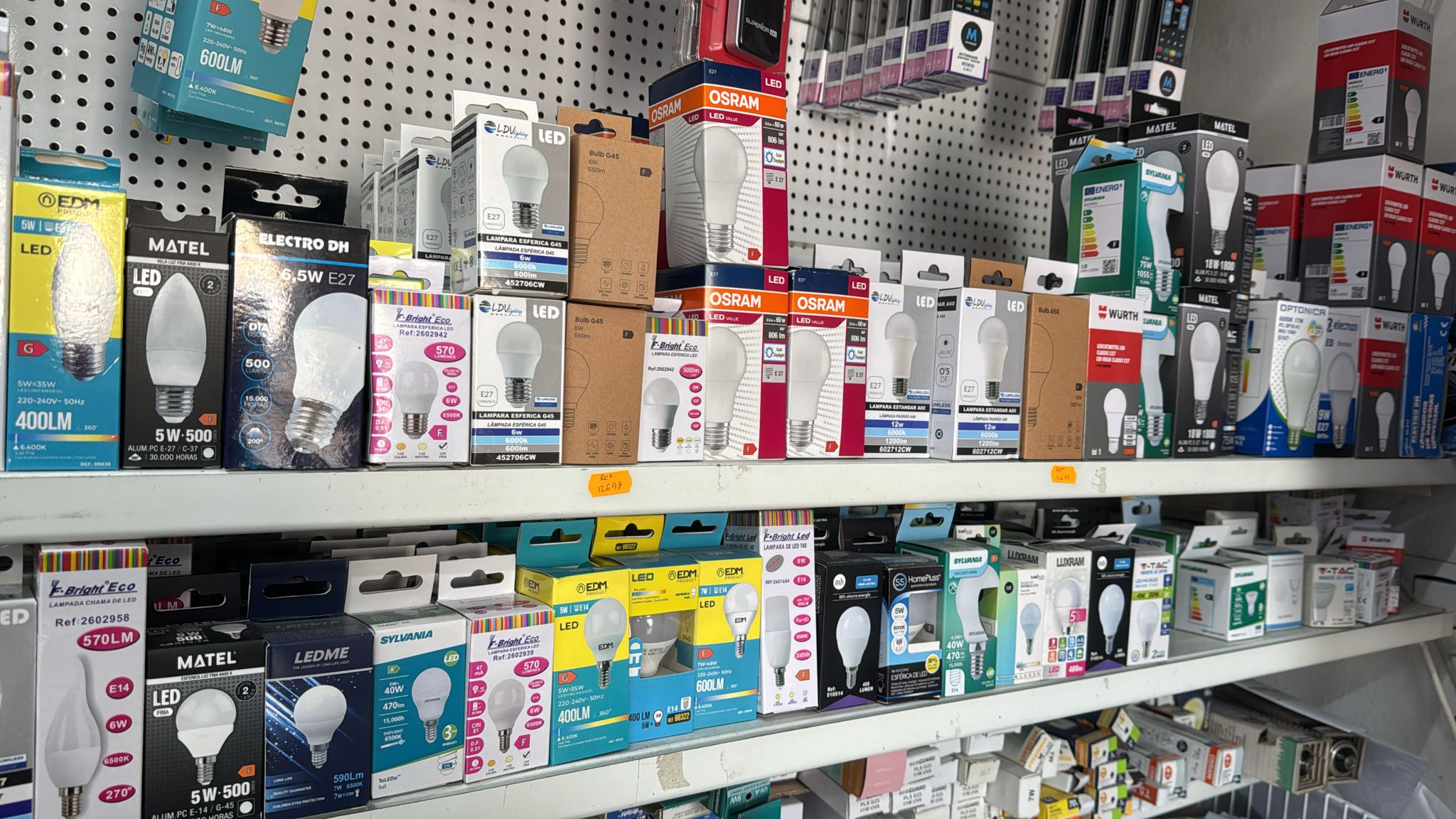
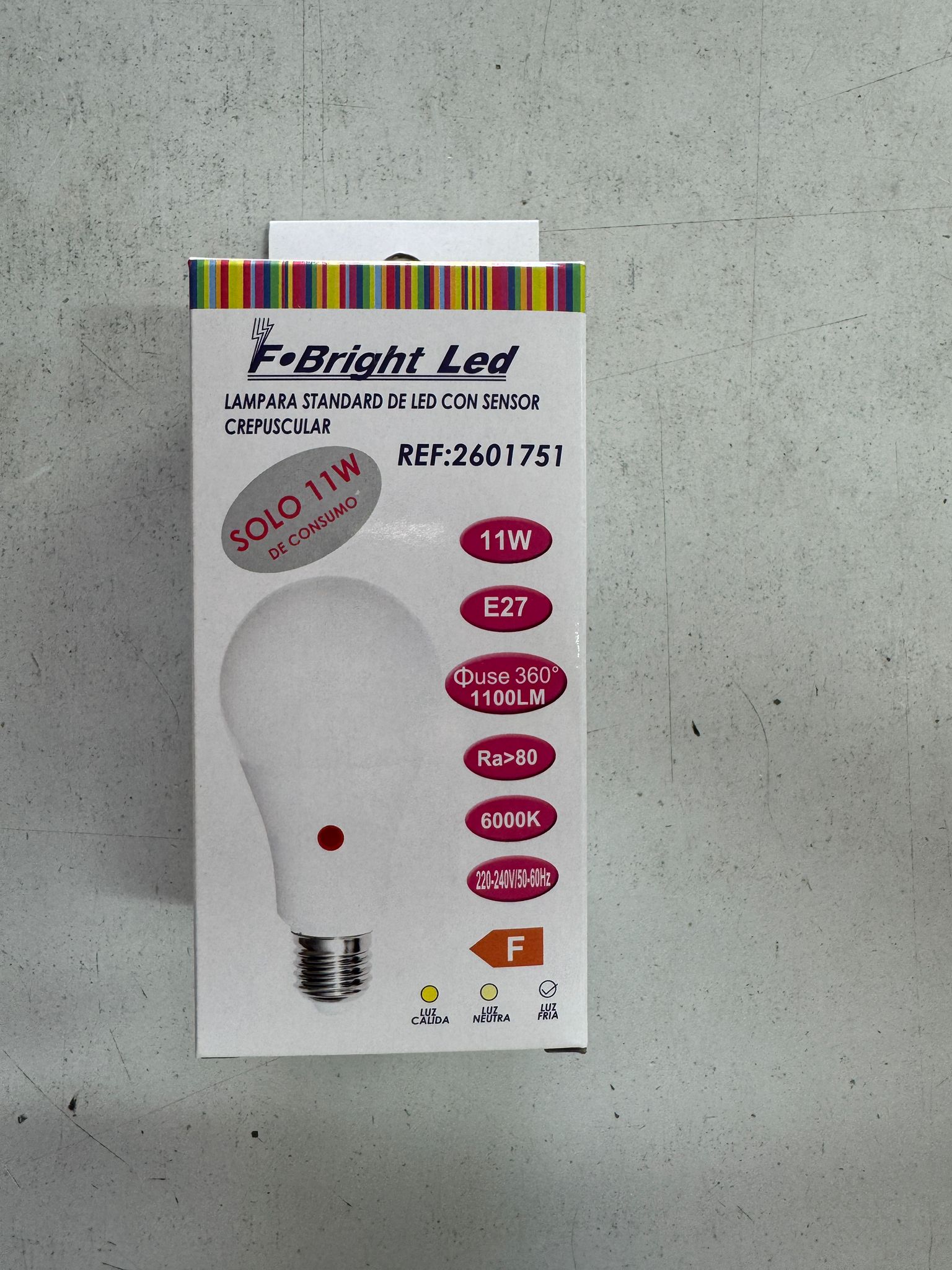
At Inmatelec, we’re committed to offering solutions that combine efficiency and savings. LED LED lighting lighting is one of the most popular options thanks to its energy efficiency and long lifespan. What’s more, with the campaign Cádiz Vale Más, you can buy LED products at the best prices, using discount vouchers in our electrical shop.
Benefits of LED lighting
Choosing LED lighting offers many benefits for your home or business, including:
Energy savings: uses up to 80% less electricity than traditional bulbs.
Long lifespan: LED bulbs can last up to 25,000 hours, meaning fewer replacements and greater convenience.
Customisable options: choose from different colour temperatures (warm, neutral or cool) and light outputs to suit each space to your needs.
Environmentally friendly: reduce your carbon footprint thanks to low energy consumption and recyclable materials.
A wide range of LED products at Inmatelec
In our shop, you’ll find a complete selection of LED products to meet all your lighting needs. We offer:
LED bulbs in various sizes and power ratings.
LED tubes for commercial and industrial spaces.
Downlights and LED panels for modern, even lighting.
LED strips for decorative lighting and personalised ambience.
LED floodlights ideal for outdoor areas and gardens.
With the campaign Cádiz Vale Más, you can enjoy exclusive discounts on all these products, ensuring quality and savings on your investment.
How to make the most of Cádiz Vale Más vouchers
If you’re unsure how the vouchers work or how to use them, see our information pages:
Remember, vouchers are limited and demand is high. Don’t miss this opportunity to light up your space with efficient products at the best price!
Visit us at Inmatelec to light up your spaces
Our team is ready to help you choose the LED lighting ideal for your home or business. Find everything you need at Inmatelec, your electrical shop in Cádiz, and take advantage of the benefits of Cádiz Vale Más.
The growing popularity of electric cars has sparked increasing interest in understanding how the cost of charging an electric car compares with that of internal combustion vehicles, and whether you really can save by charging your car at home. One of the main advantages of electric vehicles is the long-term savings they offer, particularly when charged at home. In this article, we’ll look at how much it costs to charge an electric car at home, how that compares with the cost of petrol, and the benefits for people who choose electric mobility.
How much does it cost to charge an electric car at home?
The cost of charging an electric car at home depends on several factors, such as the price of electricity and the vehicle’s battery capacity. To calculate it, you need to know the car’s electricity consumption, usually expressed in kWh (kilowatt-hours), and the price of electricity in your home.
Electric car consumption On average, an electric car uses between 15 and 20 kWh per 100 kilometres travelled. Consumption varies depending on the vehicle model and driving conditions, but this range provides a useful basis for calculating costs.
Price of electricity The price of electricity varies depending on your tariff. In Spain, the average cost per kWh is approximately 0,15 € to 0,20 € on standard tariffs. However, many electricity companies offer special tariffs for charging electric cars, which can reduce the cost to less than 0,10 € per kWh during off-peak hours (usually at night).
Calculating the cost of charging For a car that uses 15 kWh per 100 km, charging the battery to cover that distance would cost between 1,50 € and 3 €, depending on the price of electricity. If we assume that the average driver covers around 15.000 km a year, charging an electric car could cost between 225 € and 450 € a year.Compared with a petrol car, which may use between 6 and 8 litres per 100 km, and taking an average petrol price of 1,60 € per litre, the cost of travelling 100 km would be between 9,60 € and 12,80 €. This brings annual fuel costs to between 1.440 € and 1.920 €, far higher than the cost of electricity.
Petrol vs electric car: how much can you save?
The difference in cost between an electric car and a petrol car is considerable when we compare energy consumption. Here’s a direct comparison:
Item
Electric car (15 kWh/100 km)
Petrol car (7 l/100 km)
Average price of electricity/petrol
0,15 € / kWh
1,60 € / litre
Cost per 100 km
2,25 €
11,20 €
Cost per 15.000 km a year
337,50 €
1.680 €
As you can see, charging your car at home saves money, with annual electricity costs far lower than the cost of petrol. In this example, the saving would be more than 1.300 € a year, depending on electricity tariffs and the car’s consumption.
Factors affecting the cost of charging
In addition to the electricity tariff and the vehicle’s consumption, other factors can affect the cost of charging an electric car at home:
Time-of-use tariffs One of the most effective ways to save by charging your car at home is to make the most of time-of-use tariffs, which offer lower prices at night. By charging the car during off-peak hours (generally from midnight to 8 am), you can reduce the cost of electricity to less than 0,10 € per kWh, lowering the total cost even further.
Using renewable energy If you have solar panels at home, you can use solar energy to charge your electric car during the day, bringing the cost of charging close to zero. Although installing solar panels requires an initial investment, it can deliver significant savings on your electricity bill in the long term.
Battery size The size of your electric car’s battery directly affects the cost of charging. Vehicles with larger batteries need more kWh for a full charge, but also offer greater range. It is important to consider this factor when choosing the car model that best suits your needs.
Long-term benefits of charging an electric car at home
Charging an electric car at home is not only cheaper in the short term, but also offers several long-term benefits:
Fuel savings: As we have seen, electricity costs much less than petrol or diesel, resulting in substantial annual savings, especially if you travel long distances.
Reduced maintenance: Electric cars have fewer mechanical components than internal combustion vehicles, reducing maintenance costs. This means you save not only on fuel, but also on repairs and maintenance in the long term.
Sustainability: By choosing electric mobility, you are helping to reduce CO2 emissions and protect the environment. If you also use renewable energy to charge your car, you will maximise the positive impact on sustainability.
Comparing total costs in the long term
As well as fuel savings, it is important to consider other financial factors when comparing electric and petrol cars:
Purchase price: Although electric cars usually have a higher purchase price, grant schemes such as MOVES III Plan in Spain can reduce the initial cost.
Maintenance costs: Electric cars generally require less maintenance, as they do not have complex systems such as a combustion engine, gearbox or exhaust system.
Resale value: With growing interest in electric mobility, electric cars tend to retain their resale value better.
The cost of charging an electric car at home is significantly lower than the cost of using petrol. In the long term, electric car users can save thousands of euros on fuel and maintenance, making electric vehicles a more affordable and sustainable option. If you are thinking of switching to electric mobility, make the most of the benefits, save by charging your car at home and reduce your environmental impact.
At Inmatelec, we offer installation solutions for electric vehicle charging points. Contact us for personalised advice and start saving on the cost of charging your electric vehicle. Save by charging your car at home!
The installation of charging points for electric vehicles is becoming essential in both homes and businesses. With demand for electric cars on the rise, having one home charging point at home or at your business is not only convenient, but also a long-term investment. Below, we explore the benefits of installing charging points, the installation process and some recommendations for choosing the best system for your needs.
Benefits of installing a charging point at home or at your business
The electric vehicles are revolutionising the way we travel. By installing one home charging point at home or at your business, you can enjoy several important benefits:
Convenience and time savings: You won't have to rely on public charging stations, so you can charge your car whenever you like, whether overnight or while you work.
Cost savings: Charging at home or at work lets you take advantage of cheaper electricity tariffs, especially if you have a solar energy system.
Increased property value: An charging point for cars electric increases the value of your property, as prospective buyers interested in electric vehicles will appreciate having this system in place.
Sustainability: Reducing dependence on fossil fuels is a major contribution to the environment. Electric cars produce fewer polluting emissions and, by charging them at home, you can ensure the energy comes from renewable sources.
Charging point installation process
To install your charging point, it is important to follow several key steps to ensure the process is efficient and safe.
Assessing the electrical installation: Before starting, an authorised electrician will need to check whether your home's or business's electrical system can support an electric vehicle charger. In some cases, the electrical installation may need to be upgraded.
Choosing the type of charger: There are different types of charger depending on the charging speed you want. Level 1 chargers use a standard socket, while Level 2 chargers require a more specialised installation but offer much faster charging times.
Installing the charger: An specialist electrician will install and connect the charging point in your chosen location. We recommend placing it near the area where you usually park your car.
Testing and commissioning: Once the system has been installed, the authorised electrician will carry out tests to ensure that the charger works correctly and complies with safety regulations.
Factors to consider when installing a charging point
To ensure your electric vehicle charging point works optimally, consider the following factors:
Electrical capacity: Make sure your electrical installation has sufficient capacity to support the charger without affecting other appliances.
Charger location: The charger should be installed somewhere accessible and, if possible, protected from the weather.
Maintenance: Charging points require little maintenance, but it is important to check periodically that everything is in perfect condition.
Why choose an authorised electrician to install your charging point?
Installing a charging point for electric vehicles is not a straightforward task that anyone can undertake. It is essential to hire an authorised electrician to ensure the installation is safe and complies with current regulations. A certified professional will properly assess your needs and recommend the best charger options available on the market.
Also, with an authorised electrician, you can be sure that the system will work correctly from the outset and that support will be available if any problems arise in the future.
The installation of charging points in homes and businesses is a decision that offers numerous benefits, from convenience and financial savings to environmental sustainability. To ensure your installation is efficient and safe, it is essential to work with an authorised electrician to assess and install the system.
If you are thinking of installing your own charging point, don't hesitate to consult experts in the field. Contact us at Inmatelec to find out more about how we can help you install the right system for you.
Replacing globe streetlights with LED lighting solutions.
The work, in detail.
Published on 19/08/2024.
At Inmatelec, we specialise in electrical maintenance and residents’ association maintenance, ensuring all residents enjoy a safe, well-lit environment. Improve the lighting in your residents’ association! We recently completed a major project for a residents’ association in Rota, where we replaced the old globe-style streetlights with modern LED lighting.
The old globe-style streetlights were very opaque, negatively affecting visibility and safety in the communal areas. These obsolete globes not only reduced the quality of the light, but also increased the association’s energy consumption. Recognising the need for an upgrade, we proposed installing new streetlights with LED technology and approved globes.
Benefits of the new LED lighting
The new LED lighting installation offers multiple benefits:
Improved visibility: The approved globes provide better light distribution, eliminating shadows and improving visibility without causing glare. This is crucial for residents’ safety, as it reduces the risk of accidents in communal areas at night.
Energy efficiency: LED technology is known for its low energy consumption. By replacing the old streetlights, the association now benefits from brighter, more efficient lighting, resulting in a significant reduction in electricity costs.
Long lifespan: LED lights last much longer than traditional bulbs. This means the streetlights need less maintenance and fewer replacements, providing a durable, reliable solution.
Improved appearance: The new approved globes are not only functional, but also improve the appearance of the association. Good lighting helps create a more welcoming and attractive environment for residents and visitors.
Installation process
The project began with a detailed assessment of the association’s needs. Our team of authorised electricians carried out a full inspection of the existing installations and designed a replacement plan to minimise disruption to residents.
During installation, we strictly followed all current standards and regulations, ensuring each new streetlight was installed safely and efficiently. Our commitment to quality and safety is paramount in all our electrical maintenance.
Impact on the community
The results of the project were immediate and positive. Residents of the residents’ association in Rota have expressed their satisfaction with the improved visibility and light quality. The new LED lighting has transformed the communal areas, making them safer and more pleasant for everyone.
In addition, the association has started to notice a reduction in its electricity bills thanks to the energy efficiency of the LED lights. This investment not only improves residents’ quality of life, but also represents significant long-term savings.
At Inmatelec, we are proud to have helped improve the lighting in your residents’ association. This project is a perfect example of how modern lighting solutions can transform and benefit an entire community.
If you are interested in learning more about our residents’ association maintenance services and how we can help you with the improvement of the lighting in your residents’ association, please do not hesitate to contact us. You can visit our services page services or contact page for more information.
Have a similar project?
Tell us about the space and what you need to address. We’ll help you plan your next installation.
Upgrading an old electrical system is a crucial decision to ensure the safety and efficiency of any property. Ageing electrical installations can pose significant risks, from short circuits to fires. In addition, technological advances have made more efficient and safer equipment available. Below, we explore the main benefits of modernising an old electrical system.
1. Improved electrical safety
One of the main reasons to upgrade an electrical system is to improve safety. Old systems may have worn cables, loose connections and components that do not meet current safety standards. Upgrading your electrical system minimises the risk of short circuits, fires and electric shocks. Adding modern devices such as residual current devices and circuit breakers provides an extra layer of protection that is essential for any home or business.
2. Increased energy efficiency
Modernising electrical installations can also lead to a significant increase in energy efficiency. Modern electrical equipment and appliances are designed to use less energy without sacrificing performance. Upgrading your electrical system makes it possible to incorporate energy-saving technologies such as LED lighting, energy management systems and high-efficiency appliances. These changes not only reduce energy consumption, but can also lead to considerable savings on electricity bills.
3. Compliance with current regulations and standards
Electrical regulations and standards evolve over time to reflect technological advances and safety discoveries. An old electrical system may not comply with current standards, which can be a problem during inspections or when trying to sell a property. Upgrading your electrical system ensures that the installation complies with current regulations, which is crucial both for safety and for the property's value.
4. Support for new technologies
The modern world is full of technological devices that require a stable and reliable electricity supply. Old electrical systems may not be able to handle the additional load from these devices. Modernising electrical installations helps ensure that the system is ready to support new technologies, from home automation systems to electric vehicle chargers. This not only improves the functionality of the home, but can also increase its market value.
5. Reduced maintenance costs
Old electrical systems often require constant maintenance due to component wear and obsolescence. These repairs can be costly and frequent. Upgrading your electrical system replaces old components with new, more durable ones, which can significantly reduce long-term maintenance costs. Modern systems are also designed to be easier to maintain, simplifying inspection and repair work.
6. Increased property value
Modernising electrical installations can increase a property's value. Potential buyers value properties with modern, safe electrical systems, which can make a property more attractive on the market. In addition, compliance with current electrical regulations can be an important selling point.
For more information about upgrading your electrical system and the services we offer, visit our services page. If you have any questions or need a personalised consultation, please don’t hesitate to contact us via our contact page.
Household electricity consumption is surrounded by many myths that can lead to inefficient practices and higher energy costs. It is important to understand the facts about electricity consumption to manage energy better and reduce bills. In this article, we debunk some of the most common myths about electricity consumption and offer accurate information and practical tips for efficient energy use, recommending products available in our electrical shop.
Myth 1: Leaving appliances on standby does not use energy
Fact: Although standby consumption is lower than when appliances are in use, they still use energy. This consumption, known as “vampire energy”, can add significantly to your electricity bill over time.
Practical tip:
Unplug appliances when you are not using them, or use extension leads with switches to cut the power completely.
Product recommendation:
Extension lead with switch: Lets you disconnect several devices at once, reducing standby energy consumption.
Myth 2: LED bulbs are more expensive and not worth it
Fact: Although LED bulbs may have a higher upfront cost than incandescent or fluorescent bulbs, their greater efficiency and longer lifespan make them more economical in the long run. LED bulbs use up to 80% less energy and last much longer.
Practical tip:
Invest in LED bulbs for every area of your home and start noticing a reduction in your electricity bill.
Product recommendation:
High-efficiency LED bulbs: Available from our electrical shop, ideal for any space in the home.
Myth 3: Small appliances do not use much energy
Fact: The energy consumption of small appliances can add up if they are used frequently. Appliances such as microwaves, toasters and coffee makers can contribute significantly to a home's total electricity consumption.
Practical tip:
Use small appliances efficiently and thoughtfully. Unplug those you do not use regularly.
Product recommendation:
Low-energy appliances: Available from our shop, designed to minimise energy use without sacrificing functionality.
Myth 4: Switching lights on and off uses more energy than leaving them on
Fact: Turning lights off when they are not in use saves energy, regardless of how often they are switched on and off. The extra energy used when switching them on is minimal compared with the savings from keeping them off when they are not needed.
Practical tip:
Turn off the lights when you leave a room and consider using motion sensors in areas that are used occasionally.
Product recommendation:
Motion sensors for lighting: Switch lights on and off automatically, optimising energy consumption.
Myth 5: Small jobs do not need to be installed by a qualified electrician
Fact: Any electrical work, however small, should be carried out by a qualified electrician to ensure safety and compliance with regulations. Poorly executed work can result in serious hazards, such as electrical fires.
Practical tip:
Always hire a qualified electrician for any electrical installation or repair in your home.
Service recommendation:
Authorised electricians: Visit our services page for more information and to hire certified professionals.
Practical tips for efficient energy use
Carry out regular maintenance: Check and keep all your electrical appliances and heating and cooling systems in good condition.
Insulate your home properly: Good insulation reduces the need for heating and air conditioning, lowering electricity consumption.
Use efficient appliances: Choose highly energy-efficient appliances labelled A+++.
Monitor your consumption: Use energy-monitoring devices to identify the appliances that use the most energy and adjust their use as needed.