Category: Electrical shop

  • Improve with Inmatelec, your trusted company

    Improve with Inmatelec, your trusted company

    At Inmatelec, we’ve taken another step forward in our development. Our design change reflects our commitment to continuous improvement, both in our image and in our efficiency. With the digitisation of electrical services, we aim to optimise our internal processes and offer you faster, more effective solutions. Since our beginnings as "Juan Electricista", we have grown, expanding our team and areas of business. Improve your business with Inmatelec, your trusted company

    Today, we not only maintain our excellence in electrical services, but have also integrated new technologies, such as installation of charging points for electric cars, an area in which we have specialised to meet the demands of sustainable mobility, both now and in the future.

    The new design for Inmatelec symbolises our efforts to modernise our brand and processes, so that we can deliver every project more quickly, to a higher standard and with a more personal approach. Improve your business with Inmatelec, a company that is not only changing its visual identity, but also moving towards efficiency and excellent service.

    Our new approach not only allows us to optimise every installation or repair project, but also enables us to keep innovating, working together with an agile team committed to our customers’ satisfaction. Every improvement we make is designed to ensure that we remain the leading choice as electrician in Rota.

    Our growth has been steady since the days when we were known as "Juan Segarra", always with a focus on the customer. Today, better prepared than ever, we continue to develop new services and products to make an electric future more accessible to everyone. Improve your business with Inmatelec, your trusted company for all your electrical needs.

    Please do not hesitate to contact us for more information or to find out about our services for installing electric car charging points. We’re ready to help you make improvements!

    Visit our services page services or contact us directly with any questions.

  • Do you know the different types of batteries? Everything you need to know at Inmatelec

    Do you know the different types of batteries? Everything you need to know at Inmatelec

    PRACTICAL GUIDE

    Before buying a battery, check the equipment manufacturer's reference and instructions. Do not assume the format, voltage or rechargeability from its appearance.

    What information to prepare

    Check the reference

    Discuss it with the team to help guide your enquiry.

    Check whether the equipment supports rechargeable batteries

    Discuss it with the team to help guide your enquiry.

    Ask if you are unsure

    Discuss it with the team to help guide your enquiry.

    Indicative content for review. This does not replace the manufacturer’s instructions or an installation assessment.

    NEXT STEP

    Let’s talk about your installation.

    Tell us where it is and what you need help with. We’ll start by understanding your project.

  • Home lighting comparison: advantages and disadvantages of LED and fluorescent systems

    Home lighting comparison: advantages and disadvantages of LED and fluorescent systems

    Choosing the right lighting system for your home can have a significant impact on the atmosphere, energy consumption and running costs. In this article, we compare two of the most popular home lighting systems: LED and fluorescent lighting. We’ll look at the advantages and disadvantages of each to help you make an informed decision.

    1. LED lighting

    Advantages:

    1. Energy efficiency: LED bulbs are known for their high energy efficiency. They use up to 80% less energy than traditional incandescent bulbs and between 30% and 50% less than fluorescent bulbs.
    2. Long lifespan: LED bulbs have a significantly longer lifespan, typically between 15,000 and 50,000 hours. This reduces replacement frequency and maintenance costs.
    3. Light quality: LED lights offer excellent light quality, with a wide range of colour temperatures and superior colour rendering. This means they can provide clear, accurate lighting in any setting.
    4. Instant start-up: LED bulbs reach full brightness as soon as they are switched on, without the delay that fluorescent bulbs may have.
    5. Versatility: LEDs are highly versatile and can be used in a variety of applications, from general lighting to decorative and accent lighting.

    Disadvantages:

    1. Initial cost: The initial cost of LED bulbs may be higher than that of fluorescent bulbs. However, this cost is offset by energy savings and their long lifespan.
    2. Temperature sensitivity: In some outdoor applications or extreme conditions, the efficiency of LED bulbs may decrease.
    3. Concentrated heat: Although they produce less heat than incandescent bulbs, LEDs can concentrate heat at their base, which may affect performance if they are not well ventilated.

    2. Fluorescent lighting

    Advantages:

    1. Low initial cost: Fluorescent bulbs are generally cheaper than LEDs, which can be an advantage if you are on a tight budget.
    2. Energy efficiency: Although not as efficient as LEDs, fluorescent bulbs still use less energy than traditional incandescent bulbs.
    3. Reasonable lifespan: Fluorescent bulbs have a reasonably long lifespan, typically between 7,000 and 15,000 hours. This is significantly longer than incandescent bulbs, but shorter than LEDs.
    4. Availability: They are widely available in various shapes and sizes, making them suitable for a range of applications.

    Disadvantages:

    1. Variable light quality: The light quality of fluorescent bulbs may be inferior to that of LEDs, with less accurate colour rendering and flickering that can be bothersome for some people.
    2. Start-up time: Fluorescent bulbs may take a little while to reach full brightness, especially in cold weather.
    3. Mercury content: Fluorescent bulbs contain small amounts of mercury, which can present a safety and environmental issue if they are not handled and disposed of properly.
    4. Durability: They are more fragile and prone to breakage than LEDs, which may increase replacement costs.

    3. Home lighting comparison: LED vs fluorescent

    When choosing between LED and fluorescent lighting, it is important to consider the specific needs of each area in your home.

    • Energy efficiency: LEDs are the clear winners in terms of energy efficiency, resulting in lower electricity costs over the long term.
    • Lifespan: LEDs also outperform fluorescent bulbs in terms of lifespan, reducing the frequency and cost of replacements.
    • Light quality: If light quality and colour rendering are important, LEDs provide superior lighting without flicker.
    • Initial cost: If the initial cost is a concern, fluorescent bulbs may be more appealing, although LEDs offer better value in the long term.

    For more information on the best lighting options and how they can affect your home, visit our services page. If you have any questions or need a personalised consultation, please don’t hesitate to contact us via our contact page.

  • Debunking common myths about household electricity consumption

    Debunking common myths about household electricity consumption

    Household electricity consumption is surrounded by many myths that can lead to inefficient practices and higher energy costs. It is important to understand the facts about electricity consumption to manage energy better and reduce bills. In this article, we debunk some of the most common myths about electricity consumption and offer accurate information and practical tips for efficient energy use, recommending products available in our electrical shop.

    Myth 1: Leaving appliances on standby does not use energy

    Fact: Although standby consumption is lower than when appliances are in use, they still use energy. This consumption, known as “vampire energy”, can add significantly to your electricity bill over time.

    • Practical tip:
      • Unplug appliances when you are not using them, or use extension leads with switches to cut the power completely.
    • Product recommendation:
      • Extension lead with switch: Lets you disconnect several devices at once, reducing standby energy consumption.

    Myth 2: LED bulbs are more expensive and not worth it

    Fact: Although LED bulbs may have a higher upfront cost than incandescent or fluorescent bulbs, their greater efficiency and longer lifespan make them more economical in the long run. LED bulbs use up to 80% less energy and last much longer.

    • Practical tip:
      • Invest in LED bulbs for every area of your home and start noticing a reduction in your electricity bill.
    • Product recommendation:
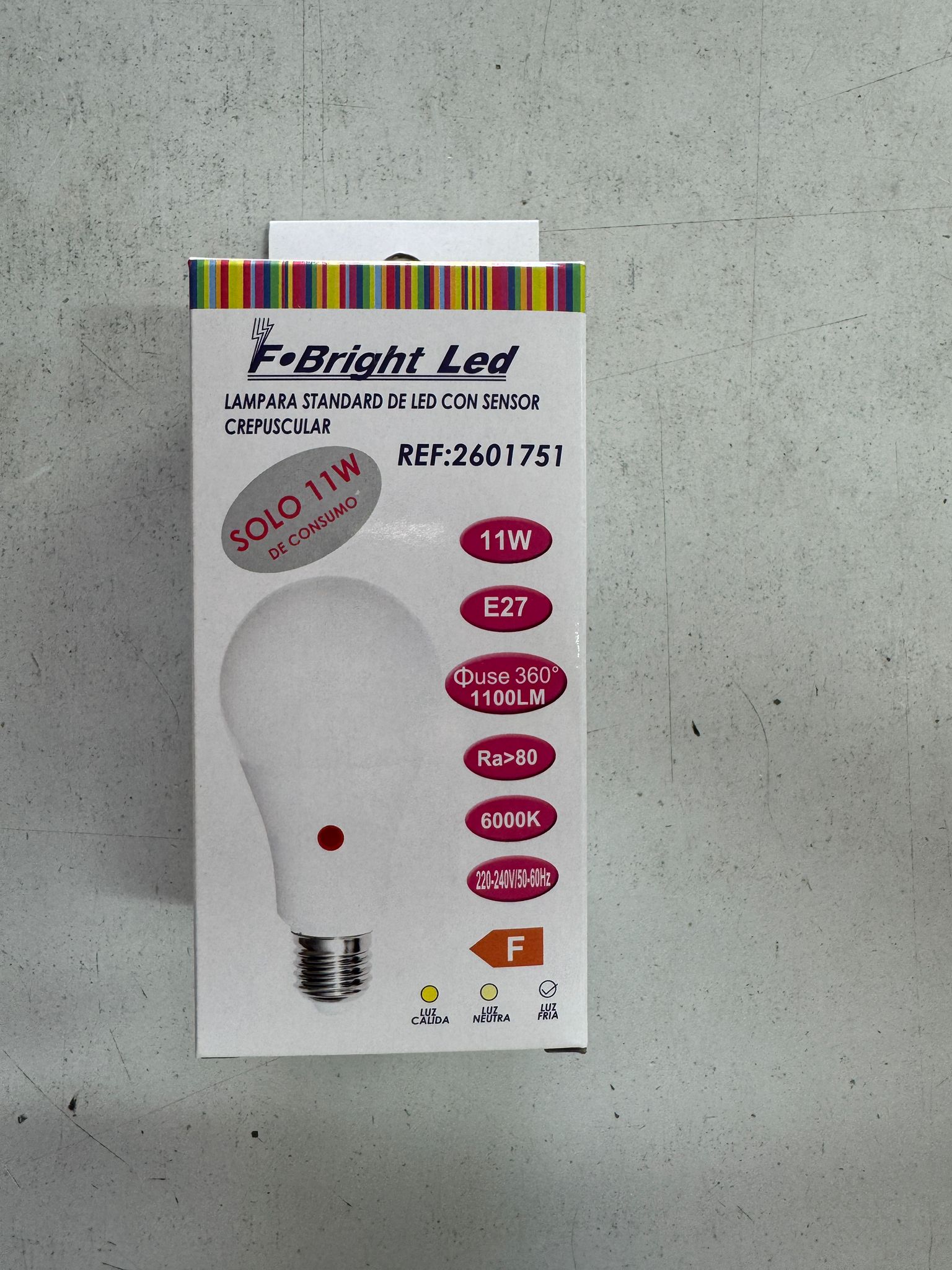
      • High-efficiency LED bulbs: Available from our electrical shop, ideal for any space in the home.

    Myth 3: Small appliances do not use much energy

    Fact: The energy consumption of small appliances can add up if they are used frequently. Appliances such as microwaves, toasters and coffee makers can contribute significantly to a home's total electricity consumption.

    • Practical tip:
      • Use small appliances efficiently and thoughtfully. Unplug those you do not use regularly.
    • Product recommendation:
      • Low-energy appliances: Available from our shop, designed to minimise energy use without sacrificing functionality.

    Myth 4: Switching lights on and off uses more energy than leaving them on

    Fact: Turning lights off when they are not in use saves energy, regardless of how often they are switched on and off. The extra energy used when switching them on is minimal compared with the savings from keeping them off when they are not needed.

    • Practical tip:
      • Turn off the lights when you leave a room and consider using motion sensors in areas that are used occasionally.
    • Product recommendation:
      • Motion sensors for lighting: Switch lights on and off automatically, optimising energy consumption.

    Myth 5: Small jobs do not need to be installed by a qualified electrician

    Fact: Any electrical work, however small, should be carried out by a qualified electrician to ensure safety and compliance with regulations. Poorly executed work can result in serious hazards, such as electrical fires.

    • Practical tip:
      • Always hire a qualified electrician for any electrical installation or repair in your home.
    • Service recommendation:
      • Authorised electricians: Visit our services page for more information and to hire certified professionals.

    Practical tips for efficient energy use

    1. Carry out regular maintenance: Check and keep all your electrical appliances and heating and cooling systems in good condition.
    2. Insulate your home properly: Good insulation reduces the need for heating and air conditioning, lowering electricity consumption.
    3. Use efficient appliances: Choose highly energy-efficient appliances labelled A+++.
    4. Monitor your consumption: Use energy-monitoring devices to identify the appliances that use the most energy and adjust their use as needed.

    Products available from our shop

    At our electrical supplies shop in Rota, we offer a wide range of products designed to improve energy efficiency in your home:

    • Extension lead with switch: Ideal for disconnecting several devices at once.
    • High-efficiency LED bulbs: Available in different styles and colour temperatures.
    • Low-energy appliances: Minimise energy use without sacrificing functionality.
    • Motion sensors for lighting: Optimise energy use by switching lights on and off automatically.
    • Energy consumption monitors: Help identify the appliances that use the most energy and adjust their use.

    For more information about our products or to hire a qualified electrician, visit our services page services or contact us.

  • Essential electrical tools for tackling simple household faults

    Essential electrical tools for tackling simple household faults

    Having a set of electrical tools at home is essential for dealing with simple faults and keeping your electrical system in good condition. Below is a list of essential tools everyone should have at home, along with recommendations for products available from our shop and usage tips from qualified electricians.

    1. Insulated screwdriver

    An insulated screwdriver is an essential tool for working safely with electrical systems. Its special coating protects against possible electric shocks.

    • Use:
      • Tighten or loosen screws on sockets, switches and electrical panels.
      • Access internal components of electrical devices.
    • Product recommendation:
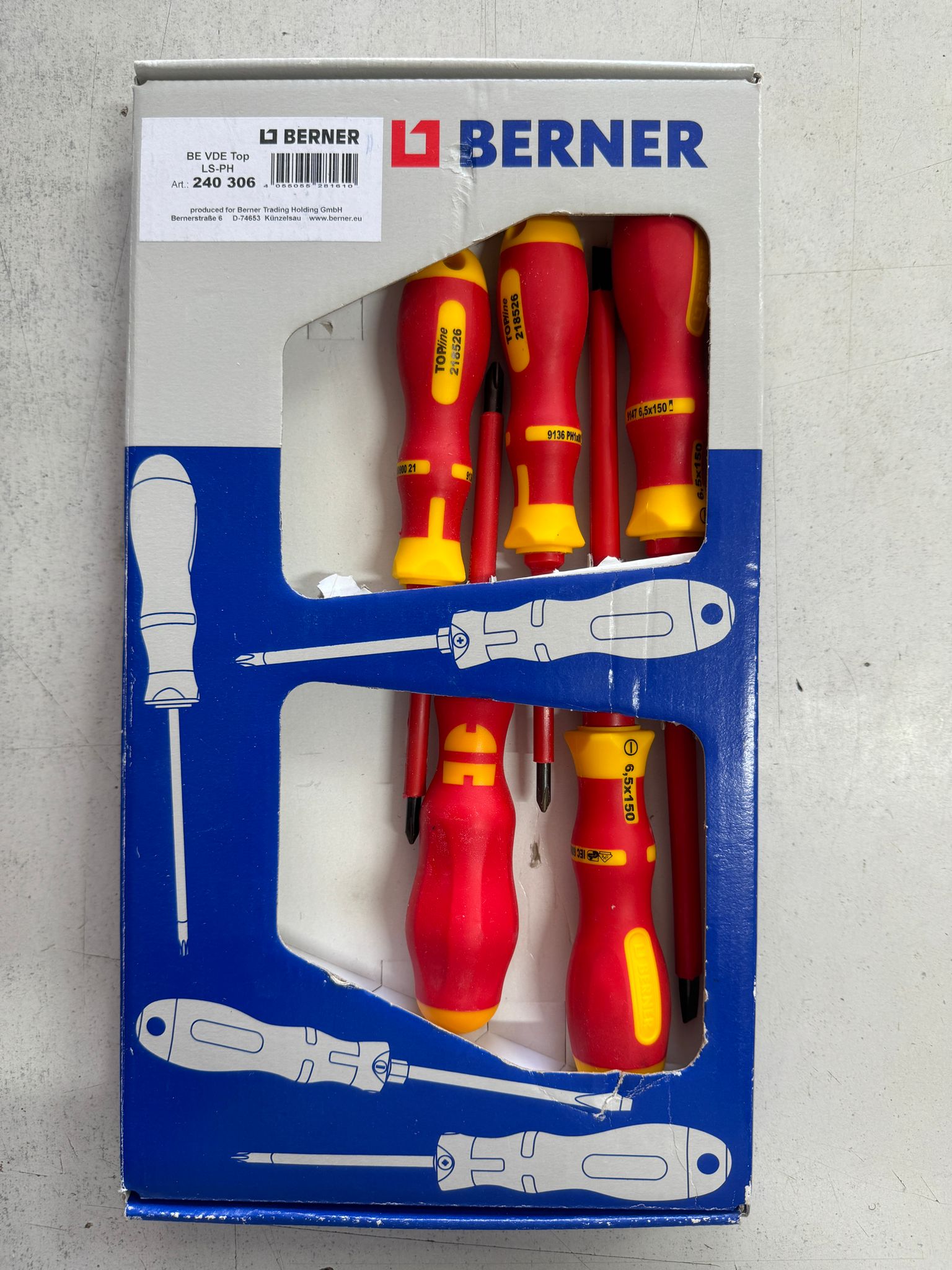
      • High-quality insulated screwdriver: Available in various sizes and types, ensuring safety and efficiency in your electrical work.

    2. Wire stripper

    A wire stripper is essential for preparing cables before making electrical connections. It removes the insulation without damaging the inner conductor.

    • Use:
      • Strip cables of different gauges.
      • Prepare cables for splices and connections in sockets and switches.
    • Product recommendation:
      • Adjustable wire stripper: Versatile and easy to use, suitable for cables of various sizes.

    3. Multimeter

    A multimeter is a versatile tool that measures voltage, current and resistance. It is essential for diagnosing electrical problems and checking the condition of circuits.

    • Use:
      • Measure voltage in sockets and circuits.
      • Check continuity in cables and components.
      • Diagnose electrical problems in devices and systems.
    • Product recommendation:
      • Digital multimeter: Accurate and easy to use, with advanced functions for all types of electrical measurements.

    4. Long-nose pliers

    Long-nose pliers are useful for handling cables in confined spaces and carrying out precision work. They can also cut and bend cables.

    • Use:
      • Reach into tight spaces to make connections.
      • Cut, bend and hold cables precisely.
    • Product recommendation:
      • Stainless steel long-nose pliers: Durable and precise, ideal for detailed work.

    5. Electrical insulating tape

    Electrical insulating tape is essential for protecting electrical connections and preventing short circuits. It is used to insulate cables and splices, providing safety and durability.

    • Use:
      • Insulate electrical splices and connections.
      • Protect exposed cables.
    • Product recommendation:
      • Heavy-duty electrical insulating tape: Provides durable and reliable protection for your electrical work.

    6. Voltage tester

    A voltage tester is a simple but essential tool for checking whether electric current is present in sockets, switches and cables.

    • Use:
      • Check whether a circuit is live before working on it.
      • Check the condition of plugs and sockets.
    • Product recommendation:
      • Non-contact voltage tester: Safe and easy to use, it detects current without needing to touch the conductors.

    Usage advice from qualified electricians

    • Safety first: Always switch off the electricity in the work area before carrying out any repairs or maintenance. Use a voltage tester to make sure there is no current.
    • Using tools correctly: Use insulated tools that are suitable for electrical work. Never use uninsulated metal tools on live systems.
    • Questions and queries: If you are unsure or encounter a complex electrical problem, do not hesitate to contact a qualified electrician. Safety and resolving electrical problems correctly are top priorities.

    Products available from our shop

    At our electrical supplies shop in Rota, we offer a wide range of high-quality electrical tools for dealing with simple faults at home. Some of our recommendations include:

    • High-quality insulated screwdriver: Safety and efficiency for your electrical work.
    • Adjustable wire stripper: Versatile and suitable for cables of various sizes.
    • Digital multimeter: Accurate, with advanced functions for all types of measurement.
    • Stainless steel long-nose pliers: Durable and accurate.
    • Heavy-duty electrical insulating tape: Long-lasting, reliable protection.
    • Non-contact voltage tester: Safe and easy to use.

    For more information about our products or to hire a qualified electrician, visit our services page services or contact us.

  • The latest smart home automation technologies

    The latest smart home automation technologies

    Smart home automation is revolutionising the way we interact with our living spaces. From lighting and climate control systems to security and entertainment devices, emerging electrical technologies are making our homes more efficient, secure and comfortable. In this article, we describe the latest smart home automation technologies and how you can integrate them into your projects, with recommendations for products and services available from our electrical shop.

    1. Smart lighting

    Smart lighting is one of the most popular areas of home automation. Smart bulbs and lighting systems let you control the lights in your home using mobile apps, voice assistants and sensors.

    • Key features:
      • Remote control from mobile devices.
      • Scheduling and lighting scenes.
      • Integration with voice assistants such as Alexa and Google Home.
      • Energy savings through light-level adjustment.
    • Product recommendation:
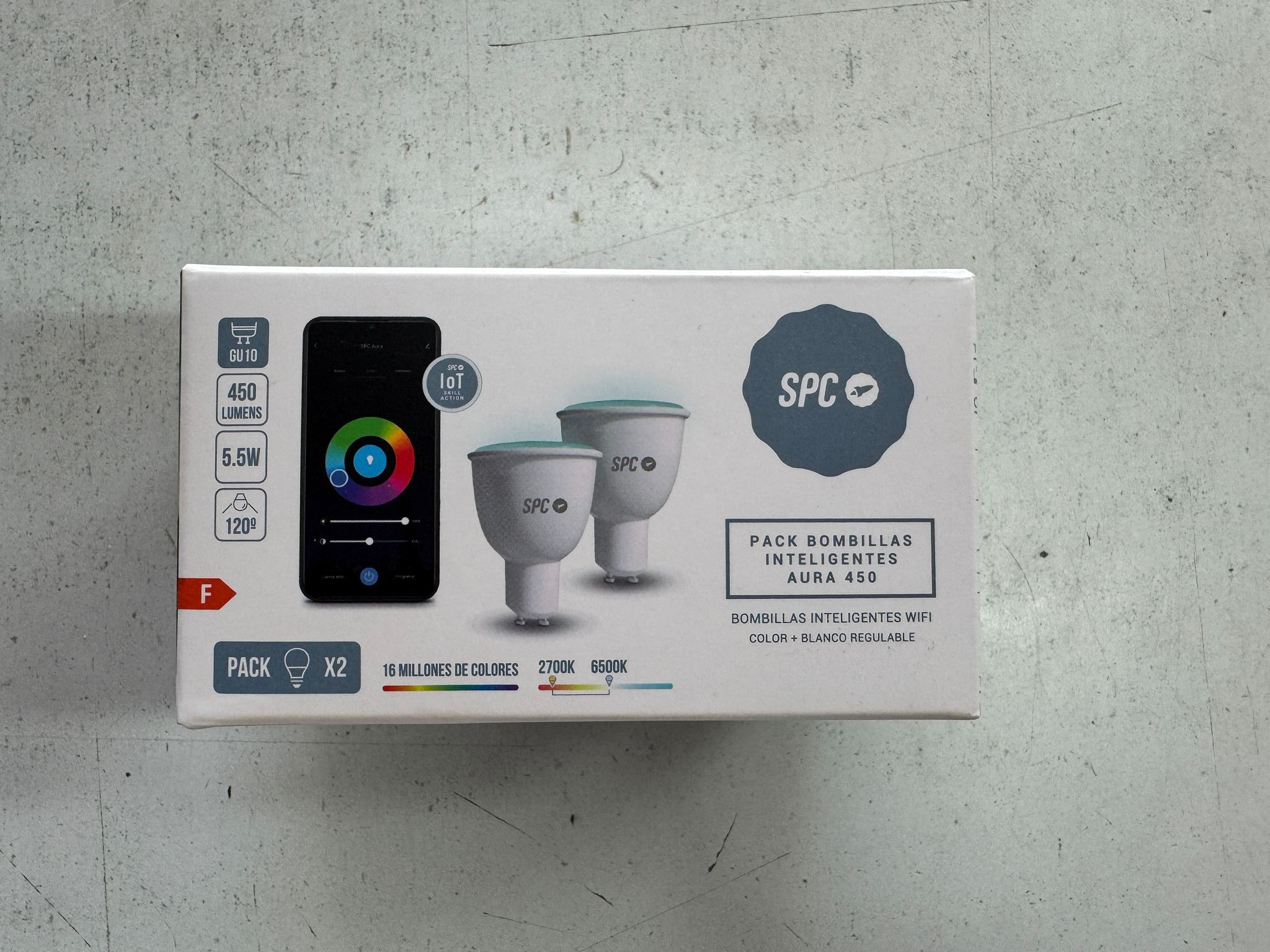
      • Smart Wi-Fi LED bulb: Adjust the brightness and colour of the light to suit your needs, controlling it from your smartphone.

    2. Smart climate control systems

    Smart thermostats and climate control systems allow precise control of your home's temperature, adjusting automatically to your routines and preferences.

    • Key features:
      • Remote control and scheduling from mobile devices.
      • Automatic adjustment based on users' presence and habits.
      • Integration with other smart home devices.
      • Energy savings through optimised heating and cooling.
    • Product recommendation:
      • Smart Wi-Fi thermostat: Compatible with most heating and cooling systems, and easy to install and use.

    3. Smart security systems

    Home security has advanced significantly with automation. Smart security systems include cameras, motion sensors, smart locks and alarm systems that can be monitored and controlled remotely.

    • Key features:
      • Real-time monitoring from mobile devices.
      • Instant alerts and notifications.
      • Integration with other smart home devices.
      • Remote access to open or close doors and windows.
    • Product recommendation:
      • Smart security camera: Offers high-definition video, motion detection and remote access from your smartphone.

    4. Smart entertainment systems

    Smart entertainment systems transform the way we enjoy music, films and games. These systems can be controlled using mobile apps and voice assistants, offering a personalised entertainment experience.

    • Key features:
      • Control audio and video devices from a single interface.
      • Integration with streaming services and entertainment apps.
      • Create personalised settings for different activities.
      • Voice control using virtual assistants.
    • Product recommendation:
      • Multi-room sound system: Play music in different rooms, controlled from a single app.

    5. Automating everyday tasks

    Automating everyday tasks with smart devices such as robot vacuum cleaners, connected appliances and automatic irrigation systems is making day-to-day life easier and increasing home efficiency.

    • Key features:
      • Schedule and remotely control household tasks.
      • Optimise the use of resources such as water and energy.
      • Integration with other smart home systems.
      • Notifications and alerts for device maintenance and operation.
    • Product recommendation:
      • Smart robot vacuum cleaner: Cleans your home autonomously and can be controlled from your smartphone.

    Why you should use a qualified electrician

    Integrating automation technologies into your home requires specialist knowledge to ensure a safe and efficient installation. A qualified electrician can advise you on the best solutions for your home, carry out suitable installations and ensure that all devices work correctly and comply with current regulations.

    For more information about our products or to hire a qualified electrician, visit our services page services or contact us.

    Products available from our shop

    At our electrical supplies shop in Rota, you will find a wide range of smart home automation products. Some of our recommendations include:

    • Smart Wi-Fi LED bulb: Ideal for modernising your lighting system.
    • Smart Wi-Fi thermostat: Perfect for controlling your home's climate.
    • Smart security camera: To keep your home secure and monitored.
    • Multi-room sound system: For the best entertainment experience.
    • Smart robot vacuum cleaner: To make everyday cleaning easier.
  • Annual home electrical maintenance checklist

    Annual home electrical maintenance checklist

    Annual electrical maintenance is essential to ensure the safety and efficiency of your home's electrical system. Regular checks can prevent serious problems such as short circuits, electrical fires and appliance failures. Below, we provide a checklist of essential electrical maintenance tasks that every homeowner should carry out each year, highlighting the importance of hiring qualified electricians.

    1. Inspecting electrical panels

    Electrical panels are at the heart of your home's electrical system. It is vital to inspect them regularly to ensure that all components are in good condition.

    • Tasks:
      • Check that circuit breakers and fuses are working correctly.
      • Look for signs of wear, corrosion or dust build-up.
      • Make sure there are no loose cables or connections.
    • Recommendation:
      • Hire a qualified electrician to carry out a full inspection of the panel and make any necessary adjustments.

    2. Checking plugs and sockets

    Plugs and sockets can wear out over time and pose a safety risk if they are not properly maintained.

    • Tasks:
      • Check that all sockets are firmly secured to the wall.
      • Check for discolouration, scorching or sparks when plugging in appliances.
      • Test the GFCI sockets (Ground Fault Circuit Interrupters) to make sure they are working correctly.
    • Recommendation:
      • Products available: In our electrical shop, we offer high-quality plugs and sockets to replace old or damaged ones.

    3. Inspecting cables and connections

    Electrical cables must be in good condition to avoid safety problems. Damaged cables can cause short circuits and fires.

    • Tasks:
      • Inspect all visible cables for signs of wear, such as cuts, abrasions or exposed wiring.
      • Check that the connections in junction boxes are secure and show no signs of oxidation.
    • Recommendation:
      • Ask a qualified electrician to inspect concealed cables and carry out any necessary repairs or replacements.

    4. Testing safety devices

    Safety devices such as smoke and carbon monoxide detectors are essential for protecting your home from electrical hazards.

    • Tasks:
      • Test all smoke and carbon monoxide detectors to make sure they are working correctly.
      • Replace the batteries in these devices at least once a year.
    • Recommendation:
      • Products available: Buy smoke and carbon monoxide detectors from our electrical shop to ensure your home's safety.

    5. Checking the lighting

    Lighting is an important part of your home's electrical system and should also be checked regularly.

    • Tasks:
      • Check all bulbs and light fittings to make sure they are working correctly.
      • Clean the light fittings to improve lighting efficiency.
      • Check that there are no loose or exposed cables in lamps and ceiling lights.
    • Recommendation:
      • Products available: In our electrical shop, you can find a wide range of LED bulbs and light fittings to replace old ones and improve your home's energy efficiency.

    6. Maintaining heating and cooling systems

    Heating and air conditioning systems have electrical components that also require maintenance.

    • Tasks:
      • Inspect the thermostats to ensure they are working properly.
      • Check the heating and cooling systems for any electrical issues.
    • Recommendation:
      • Hire a qualified electrician to carry out a full inspection and maintenance of these systems.

    Why you should use a qualified electrician

    Annual electrical maintenance may seem like a straightforward task, but it is essential to use a qualified electrician to ensure that everything is carried out safely and in accordance with current regulations. Qualified electricians have the training and experience needed to identify and resolve electrical problems that might go unnoticed by non-professionals.

    For more information about our products or to hire a qualified electrician, visit our services page services or contact us.

  • Practical tips for reducing your electricity bill

    Practical tips for reducing your electricity bill

    Reducing electricity bills is a common concern for many homes and businesses. Fortunately, there are efficient solutions that can help lower your energy costs. In this article, we offer practical tips and recommend products available in our electrical supplies shop, highlighting the importance of using qualified electricians for installations.

    1. Choose LED lighting

    LED bulbs use up to 80% less energy than traditional incandescent bulbs and last much longer. Switching all the lights in your home or business to LED is one of the quickest and most effective ways to reduce your electricity consumption.

    • Advantages:
      • Greater energy efficiency.
      • Long service life.
      • Less heat emitted.
    • Product recommendation:
      • High-efficiency LED bulbs: Available in different colour temperatures and designs, ideal for any type of room.

    2. Install smart thermostats

    Smart thermostats let you control heating and air conditioning efficiently, automatically adjusting to your daily habits and the room temperature. This can lead to significant savings on your electricity bill.

    • Advantages:
      • Remote control from mobile devices.
      • Automatic scheduling to suit your routine.
      • Savings on heating and cooling costs.
    • Product recommendation:
      • Smart Wi-Fi thermostat: Easy to install and use, compatible with most heating and cooling systems.

    3. Use energy-efficient appliances

    Appliances with an A++ energy rating or higher are more efficient and use less electricity. Investing in efficient appliances can have a considerable impact on your energy consumption in the long term.

    • Advantages:
      • Lower energy consumption.
      • Long-term cost savings.
      • Contribution to environmental sustainability.
    • Product recommendation:
      • A+++ energy-efficient washing machine: Uses less water and energy, ideal for households looking for efficiency and savings.

    4. Insulate your home properly

    Good insulation in walls, roofs and windows can keep your home warmer in winter and cooler in summer, reducing the need for heating and air conditioning.

    • Advantages:
      • Savings on heating and cooling.
      • Greater thermal comfort.
      • Reduced CO2 emissions.
    • Product recommendation:
      • High-efficiency insulation panels: Easy to install, they improve your home's thermal and acoustic insulation.

    5. Install renewable energy systems

    Consider installing solar panels or wind energy systems to reduce your electricity bill significantly. Although the initial investment may be high, the long-term benefits and any grants available could make it worthwhile.

    • Advantages:
      • Clean energy generation.
      • Significant reduction in electricity bills.
      • Potential government incentives and grants.
    • Product recommendation:
      • Solar photovoltaic panels: Highly efficient, ideal for homes and businesses looking to reduce their dependence on the electricity grid.

    Why you should use a qualified electrician

    To ensure that all installations and solutions are effective and safe, it is essential to use a qualified electrician. Qualified electricians ensure that electrical work complies with current regulations, helping to avoid the risk of short circuits and other electrical problems. They can also advise you on best practices and products to improve your home's or business's energy efficiency.

    Products available from our shop

    At our electrical supplies shop in Rota, we offer a wide range of efficient products that can help you reduce your electricity bill:

    • High-efficiency LED bulbs: Available in different styles and power ratings.
    • Smart Wi-Fi thermostat: Control your heating and cooling system from anywhere.
    • A+++ energy-efficient washing machine: High energy efficiency for greater savings.
    • High-efficiency insulation panels: Improve your home's insulation with ease.
    • Solar photovoltaic panels: Generate your own clean energy and reduce your dependence on the grid.

    For more information about our products or to hire a qualified electrician, visit our services page services or contact us.

  • The five leading lighting trends for 2024

    The five leading lighting trends for 2024

    Lighting for homes and commercial spaces is constantly evolving, and 2024 is no exception. New technologies, innovative design and sustainability are the key factors shaping lighting trends. In this article, we explore the five leading lighting trends for 2024 and recommend featured products from our electrical supplies shop that reflect these trends.

    1. Smart lighting

    Smart lighting technology continues to advance and is becoming standard in many homes and businesses. Smart lights can be controlled using mobile apps, voice assistants and home automation systems, allowing you to customise your lighting completely.

    • Key features:
      • Remote control from mobile devices.
      • Scheduling and lighting scenes.
      • Integration with voice assistants such as Alexa and Google Home.
    • Product recommendation:
      • Smart Wi-Fi LED bulb: Control your home's lighting from your smartphone and adjust the brightness and colour to suit your preferences.

    2. Sustainable lighting

    Sustainability is an increasing concern, and lighting is no exception. Sustainable lighting solutions, such as high-efficiency LED bulbs and solar lamps, are growing in popularity because of their low energy consumption and long service life.

    • Key features:
      • Reduced energy consumption.
      • Greater durability than traditional bulbs.
      • Solar lighting options for outdoor use.
    • Product recommendation:
      • Low-energy LED bulb: Available in different colour temperatures, these bulbs provide efficient, long-lasting lighting, ideal for any home or business.

    3. Minimalist, elegant design

    Lighting design is also moving towards more minimalist and elegant styles. Light fittings with clean lines and high-quality materials are becoming the preferred choice for modern interiors.

    • Key features:
      • Simple, sophisticated designs.
      • Materials such as metal and glass.
      • Light fittings that blend seamlessly into their surroundings.
    • Product recommendation:
      • Minimalist-design pendant lamp: Perfect for dining rooms and living rooms, this lamp adds a modern, elegant touch to any space.

    4. Adjustable lighting

    The ability to adjust the brightness and colour of light is a growing trend, especially in homes. Adjustable lighting lets you create personalised atmospheres for different activities and times of day.

    • Key features:
      • Adjustable brightness.
      • Changes in colour temperature, from warm to cool light.
      • Easy control using mobile devices or dedicated switches.
    • Product recommendation:
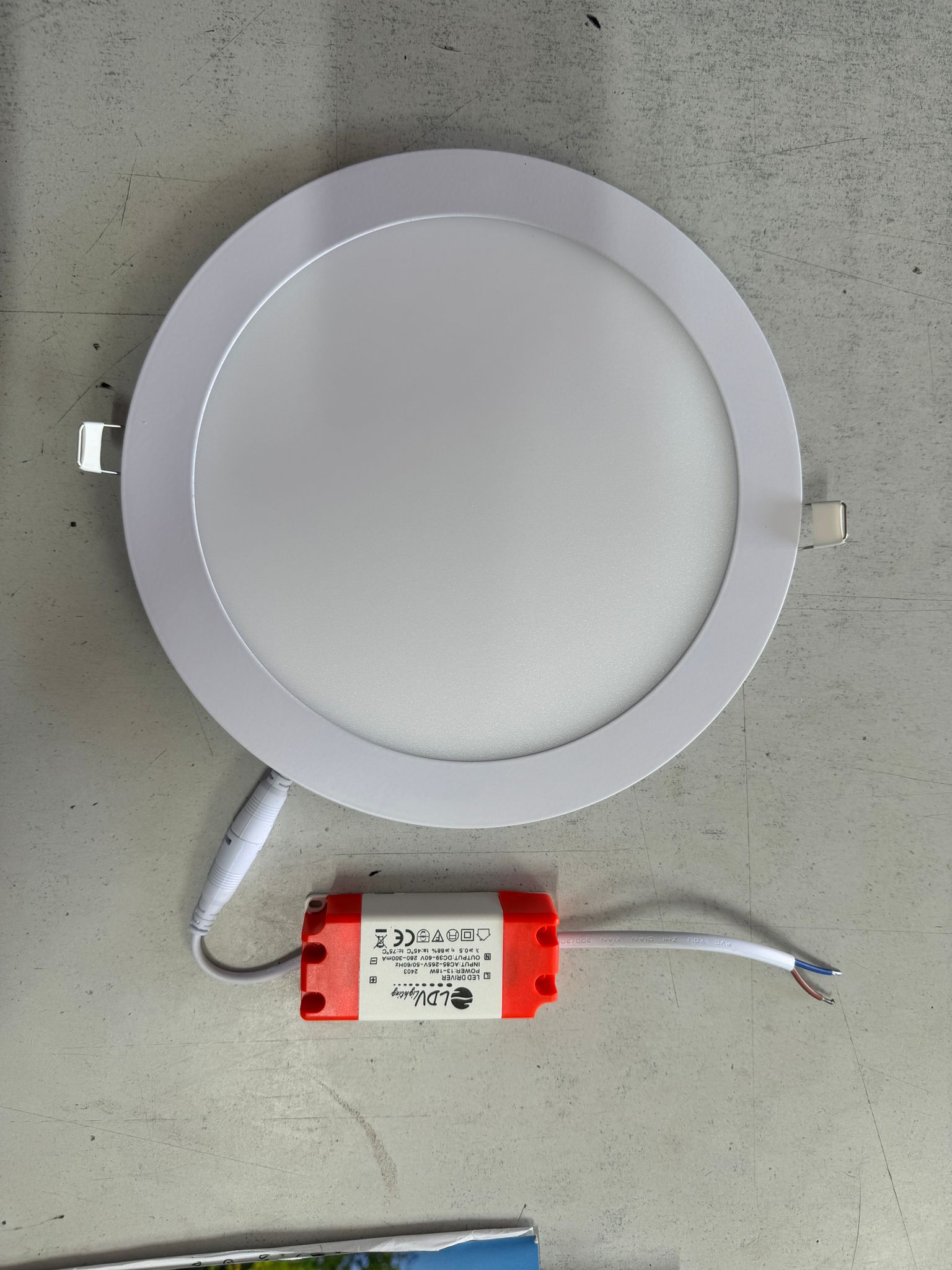
      • Dimmable LED panel: Ideal for offices and workspaces, this LED panel lets you adjust the brightness and colour of the light to create the perfect atmosphere.

    5. Wellbeing-focused lighting

    Wellbeing-focused lighting is an emerging trend centred on how light can affect people's mood and health. Lights that mimic natural daylight and circadian lighting solutions are attracting increasing attention.

    • Key features:
      • Mimics the natural cycles of sunlight.
      • Improved mood and productivity.
      • Reduced eye strain and improved sleep.
    • Product recommendation:
      • Circadian lighting lamp: Automatically adjusts the colour temperature throughout the day to align with the body's natural rhythms, promoting better wellbeing and health.

    Product recommendations from our shop

    At our electrical supplies shop in Rota, you'll find a wide range of lighting products in line with the trends for 2024. Here are some recommendations:

    • Smart Wi-Fi LED bulb: Perfect for anyone looking to modernise their home with smart lighting.
    • Low-energy LED bulb: A sustainable way to reduce energy consumption without compromising on lighting quality.
    • Minimalist-design pendant lamp: Add an elegant, modern touch to your home with this light fitting's simple, sophisticated design.
    • Dimmable LED panel: Ideal for creating an efficient, comfortable working environment.
    • Circadian lighting lamp: Improve your wellbeing with this lamp, which adjusts to your body's natural rhythms.

    Why you should use a qualified electrician

    Lighting systems, especially those incorporating new technologies and advanced designs, should be installed by a qualified electrician. A qualified electrician will ensure that the installation is carried out safely and in compliance with all current regulations. They can also advise you on the best lighting solutions and 2024 lighting trends for your home or business.

    For more information about our products or to hire a qualified electrician, visit our services page services or contact us.

  • How to install an LED downlight at home: a complete guide

    How to install an LED downlight at home: a complete guide

    LED lighting is an excellent choice for the home thanks to its energy efficiency and durability. One popular type of LED lighting is the downlight, which is fitted into the ceiling and provides even, modern illumination. Below, we offer a complete guide to installing an LED downlight at home, highlighting the importance of using an authorised electrician.

    Tools required

    Before you start, make sure you have the following tools and materials:

    • LED downlight
    • Drill
    • Hole saw
    • Screwdriver
    • Wire stripper
    • Electrical insulating tape
    • Voltage detector
    • Ladder
    • Protective gloves and goggles

    Steps for installing an LED downlight

    1. Planning and safety:
      • Switch off the electricity to the work area at the main distribution board to avoid any risk of electric shock.
      • Use a voltage detector to make sure there is no current in the wires.
    2. Marking the installation area:
      • Use the template supplied with the downlight to mark the spot on the ceiling where it will be installed.
      • Make sure there are no obstructions behind the ceiling, such as joists or electrical cables.
    3. Drilling the ceiling:
      • Using the drill and hole saw, drill through the ceiling following the marks you have made.
      • Wear protective goggles and gloves to avoid injury.
    4. Connecting the LED downlight:
      • Strip the ends of the downlight wires and the ceiling wires.
      • Connect the downlight wires to the ceiling wires using wire connectors or insulation tape.
      • Follow the wire colour code to ensure the connection is correct (generally, brown for live, blue for neutral and green/yellow for earth).
    5. Securing the LED downlight:
      • Insert the downlight into the ceiling hole and secure it in place according to the manufacturer's instructions.
      • Make sure the downlight is firmly secured and flush with the ceiling.
    6. Testing and adjustments:
      • Switch the electricity back on at the main distribution board.
      • Turn on the switch to check that the LED downlight is working properly.
      • If there is a problem, switch off the electricity and check the connections.

    Safety tips

    • Always switch off the electricity before starting any electrical work.
    • Use suitable tools that are in good condition.
    • If you do not feel confident carrying out the installation, contact an authorised electrician.
    • Follow the LED downlight manufacturer's instructions to the letter.

    Why you should hire an authorised electrician

    Although installing an LED downlight may seem like a simple task, it is always advisable to use an authorised electrician. Authorised electricians have the training and experience needed to carry out electrical installations safely and efficiently. They can also identify and resolve any problems that may arise during installation, ensuring that your home's electrical system complies with current regulations.

    For more information about electrical services or to hire an authorised electrician, visit our services page services or contact us.

We use essential technologies to operate this website and remember your choices. Optional analytics will only be enabled with your permission. You can refuse them and continue browsing.

Cookie policy

Hola, soy Inma.

Asistente virtual de Inmatelec

Ir al formulario de contacto

No incluyas datos personales en el chat. El equipo revisará la viabilidad y el presupuesto.

WhatsApp