Category: Electrical installations

  • Save by charging your car at home: how much does it cost to charge an electric car at home?

    Save by charging your car at home: how much does it cost to charge an electric car at home?

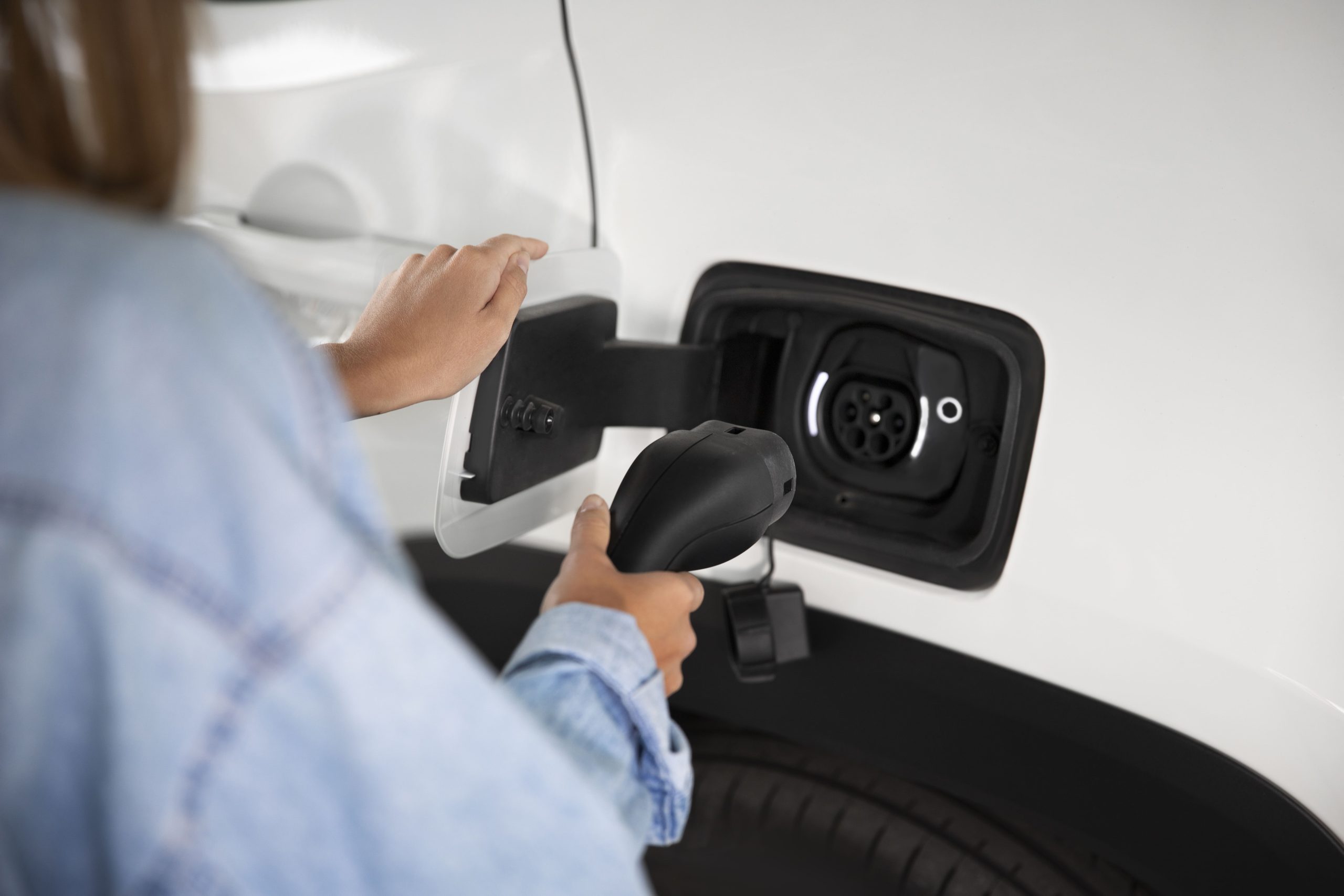
    The growing popularity of electric cars has sparked increasing interest in understanding how the cost of charging an electric car compares with that of internal combustion vehicles, and whether you really can save by charging your car at home. One of the main advantages of electric vehicles is the long-term savings they offer, particularly when charged at home. In this article, we’ll look at how much it costs to charge an electric car at home, how that compares with the cost of petrol, and the benefits for people who choose electric mobility.

    How much does it cost to charge an electric car at home?

    The cost of charging an electric car at home depends on several factors, such as the price of electricity and the vehicle’s battery capacity. To calculate it, you need to know the car’s electricity consumption, usually expressed in kWh (kilowatt-hours), and the price of electricity in your home.

    1. Electric car consumption
      On average, an electric car uses between 15 and 20 kWh per 100 kilometres travelled. Consumption varies depending on the vehicle model and driving conditions, but this range provides a useful basis for calculating costs.
    2. Price of electricity
      The price of electricity varies depending on your tariff. In Spain, the average cost per kWh is approximately 0,15 € to 0,20 € on standard tariffs. However, many electricity companies offer special tariffs for charging electric cars, which can reduce the cost to less than 0,10 € per kWh during off-peak hours (usually at night).
    3. Calculating the cost of charging
      For a car that uses 15 kWh per 100 km, charging the battery to cover that distance would cost between 1,50 € and 3 €, depending on the price of electricity. If we assume that the average driver covers around 15.000 km a year, charging an electric car could cost between 225 € and 450 € a year.Compared with a petrol car, which may use between 6 and 8 litres per 100 km, and taking an average petrol price of 1,60 € per litre, the cost of travelling 100 km would be between 9,60 € and 12,80 €. This brings annual fuel costs to between 1.440 € and 1.920 €, far higher than the cost of electricity.

    Petrol vs electric car: how much can you save?

    The difference in cost between an electric car and a petrol car is considerable when we compare energy consumption. Here’s a direct comparison:

    ItemElectric car (15 kWh/100 km)Petrol car (7 l/100 km)
    Average price of electricity/petrol0,15 € / kWh1,60 € / litre
    Cost per 100 km2,25 €11,20 €
    Cost per 15.000 km a year337,50 €1.680 €

    As you can see, charging your car at home saves money, with annual electricity costs far lower than the cost of petrol. In this example, the saving would be more than 1.300 € a year, depending on electricity tariffs and the car’s consumption.

    Factors affecting the cost of charging

    In addition to the electricity tariff and the vehicle’s consumption, other factors can affect the cost of charging an electric car at home:

    1. Time-of-use tariffs
      One of the most effective ways to save by charging your car at home is to make the most of time-of-use tariffs, which offer lower prices at night. By charging the car during off-peak hours (generally from midnight to 8 am), you can reduce the cost of electricity to less than 0,10 € per kWh, lowering the total cost even further.
    2. Using renewable energy
      If you have solar panels at home, you can use solar energy to charge your electric car during the day, bringing the cost of charging close to zero. Although installing solar panels requires an initial investment, it can deliver significant savings on your electricity bill in the long term.
    3. Battery size
      The size of your electric car’s battery directly affects the cost of charging. Vehicles with larger batteries need more kWh for a full charge, but also offer greater range. It is important to consider this factor when choosing the car model that best suits your needs.

    Long-term benefits of charging an electric car at home

    Charging an electric car at home is not only cheaper in the short term, but also offers several long-term benefits:

    1. Fuel savings: As we have seen, electricity costs much less than petrol or diesel, resulting in substantial annual savings, especially if you travel long distances.
    2. Reduced maintenance: Electric cars have fewer mechanical components than internal combustion vehicles, reducing maintenance costs. This means you save not only on fuel, but also on repairs and maintenance in the long term.
    3. Sustainability: By choosing electric mobility, you are helping to reduce CO2 emissions and protect the environment. If you also use renewable energy to charge your car, you will maximise the positive impact on sustainability.

    Comparing total costs in the long term

    As well as fuel savings, it is important to consider other financial factors when comparing electric and petrol cars:

    • Purchase price: Although electric cars usually have a higher purchase price, grant schemes such as MOVES III Plan in Spain can reduce the initial cost.
    • Maintenance costs: Electric cars generally require less maintenance, as they do not have complex systems such as a combustion engine, gearbox or exhaust system.
    • Resale value: With growing interest in electric mobility, electric cars tend to retain their resale value better.

    The cost of charging an electric car at home is significantly lower than the cost of using petrol. In the long term, electric car users can save thousands of euros on fuel and maintenance, making electric vehicles a more affordable and sustainable option. If you are thinking of switching to electric mobility, make the most of the benefits, save by charging your car at home and reduce your environmental impact.

    At Inmatelec, we offer installation solutions for electric vehicle charging points. Contact us for personalised advice and start saving on the cost of charging your electric vehicle. Save by charging your car at home!

  • Choose the perfect electric car charger: types of electric car chargers

    Choose the perfect electric car charger: types of electric car chargers

    With the rise of electric cars, charging infrastructure has advanced rapidly to meet users’ needs. Choosing the perfect electric charger depends on various factors, such as the type of vehicle, how often it is used and the features of the space where it will be installed. In this article, we’ll compare the types of electric car chargers available on the market, looking at their features, costs and advantages so that you can choose the best option for your needs.

    What types of electric chargers are there?

    There are several types of electric car chargers, which are classified mainly by charging speed and the type of current they use. Below, we look at the main types:

    1. Level 1 chargers
      The Level 1 chargers are the most basic type and are usually supplied with electric vehicles. They use a standard 230V socket, similar to that used by any household appliance, making them convenient for home use without requiring any additional installation.Features:
      • Charging speed: Approximately 8-12 hours for a full charge.
      • Cost: Very low, as no special installation is required.
      • Suitable for: Users with low daily driving requirements and enough time to charge the car overnight.
      Disadvantages:
      • Charging is considerably slow, making this option impractical if you need to recharge the car quickly.
    2. Level 2 chargers
      The level 2 chargers are faster and more efficient than level 1 chargers. They use alternating current (AC) and require a special installation with a 240V socket, making them ideal for homes and businesses that need to charge several vehicles regularly.Features:
      • Charging speed: Can charge an electric car in 4–6 hours.
      • Cost: Moderate, although it requires the installation of a wall charging point or wallbox by an authorised electrician.
      • Suitable for: Homes and businesses with electric cars that need fast, regular charging. They are also ideal for drivers who need to charge during the day.
      Advantages:
      • Faster charging than level 1 chargers.
      • Most electric vehicles are compatible with level 2 chargers.
      Disadvantages:
      • Requires additional installation, which can increase upfront costs.
    3. Rapid chargers (DC)
      The rapid chargers use direct current (DC) and are the fastest charging stations currently available on the market. They are mainly found at service stations, commercial areas or along roads, and can charge an electric car in minutes rather than hours.Features:
      • Charging speed: Can charge the battery to between 80% and 100% in 20–40 minutes.
      • Cost: High, both for the infrastructure and the cost of charging at public stations.
      • Suitable for: Public charging stations or businesses with fleets of electric cars that need to be charged quickly.
      Advantages:
      • The fastest charging available.
      • Ideal for long journeys where the vehicle needs to be recharged quickly.
      Disadvantages:
      • Not suitable for home use because of the high cost and the infrastructure required.
      • Not all electric cars are compatible with rapid charging.

    Which charger is right for you?

    Choosing the perfect electric charger depends on several factors. Here are some key points to consider:

    1. Type of electric vehicle:
      It is important to know which type of charger is compatible with your car. Most electric vehicles are compatible with level 1 and 2 chargers, but not all support rapid chargers (DC). Check your vehicle’s manual or ask a professional to make sure you choose the right charger.
    2. Daily use and lifestyle:
      • If you make short journeys and have time to charge overnight, a level 1 charger may be sufficient.
      • If you drive long distances or need fast, efficient charging, a level 2 charger is the recommended option for home use.
      • For long journeys or businesses with a fleet of electric cars, rapid chargers (DC) at public stations are an excellent option for reducing waiting times.
    3. Budget and installation costs:
      • The Level 1 chargers do not require any additional installation, making them the most affordable option.
      • The level 2 chargers offer faster charging, but require a charging station to be installed at home, which involves an additional cost. However, in the long term, it can be a worthwhile investment if you plan to use the vehicle regularly.
      • The rapid chargers (DC) are the most expensive and are usually found at public stations, so they are not an option for most home users.
    4. Future charging needs:
      If you are planning to install a home charging point, consider not only your current needs but also future ones. The level 2 chargers are more flexible and can accommodate the requirements of different electric vehicle models if you change cars in the future.

    Electric charger installation costs

    The installation cost varies depending on the type of charger and the characteristics of the place where it is to be installed. For level 2 chargers, it is always recommended to hire a authorised electrician to ensure that the installation complies with current regulations and is safe. In Spain, there are grant schemes such as the MOVES III Plan that cover part of the installation costs for charging points, which can make the investment more affordable.

    Choosing the perfect electric charger for your car depends on your daily needs, the type of vehicle and your budget. The Level 1 chargers are ideal for those who do not need fast charging, while the level 2 chargers offer a balance between cost and speed. If you need to charge your vehicle quickly, the rapid chargers are the best option, although they are more suited to commercial or public-use settings. Choose the perfect electric charger for your car

    At Inmatelec, we offer specialist advice on installing electric chargers at home or at your business. Please contact us to choose the system that best suits your needs and receive a professional, safe service.

  • Protect your electrical installation and prevent electrical overloads

    Protect your electrical installation and prevent electrical overloads

    Electrical electrical overloads are one of the most common and dangerous problems in electrical installations, both in homes and businesses. They occur when the amount of electricity flowing through a circuit exceeds its capacity, which can cause short circuits, damage to electrical appliances and even fires. That is why it is essential to know how to protect your electrical installation and prevent these risks. In this article, we will give you some practical tips to avoid electrical overloads and ensure safety in your home or business.

    What is an electrical overload?

    An electrical overload occurs when an electrical circuit receives more current than it is designed to handle. This can be caused by plugging too many appliances into the same circuit, using devices that require a lot of power or having faulty wiring. When a circuit is overloaded, the wires and electrical components heat up, increasing the risk of damage and, in the worst cases, fires.

    Tips for preventing electrical overloads at home or at work

    Preventing electrical overloads is essential to ensure the safety of any space. Here are some key recommendations for protecting your electrical installation:

    1. Do not overload sockets
      One of the most common mistakes is plugging too many devices into a single socket or using extension leads with multiple sockets. Although extension leads are designed to provide several socket outlets, they cannot handle an excessive load. Make sure you do not exceed the extension lead’s capacity and spread the use of electrical appliances across different circuits.
    2. Know the capacity of your electrical installation
      Every electrical installation has a limited capacity, depending on the cables and protective devices installed. It is important to know this capacity to avoid overloading the system. An authorised electrician can assess your installation to check whether it can handle the current power demand, especially if you have added new appliances or systems that consume a lot of energy.
    3. Install overload protection devices
      There are devices designed to cut off the power if an electrical overloadis detected. These automatic protection devices, or miniature circuit breakers protect circuits and prevent cables from overheating. Make sure your consumer unit is fitted with these protective devices.
    4. Check the condition of cables and sockets
      Damaged cables and sockets are a common cause of short circuits and overloads. It is essential to check the condition of cables, sockets and extension leads regularly for signs of wear, such as frayed cables or sockets that become hot. If you notice anything unusual, replace the components immediately.
    5. Distribute the electrical load properly
      Some electrical appliances, such as ovens, air conditioners or heaters, consume a lot of energy. These devices should have dedicated circuits, as otherwise they can cause overloads in circuits shared with other appliances. If you are renovating your installation or adding new appliances, consult an authorised electrician to make sure the load is distributed correctly.
    6. Install a surge protection system
      Electrical electrical surges are sudden increases in the voltage of the electrical supply, which can damage connected appliances and overload circuits. A surge protector helps protect your electrical installation and connected devices from these power spikes. In addition, in areas with frequent storms, these systems are essential for preventing damage caused by lightning.
    7. Carry out regular maintenance on the installation
      The preventive maintenance is one of the best ways to protect your electrical installation. Periodic inspections help identify potential problems before they become hazards. An authorised electrician can check the condition of the consumer unit, protective devices and circuits to ensure everything is working properly and prevent future overloads.

    What to do if an electrical overload occurs

    If an electrical overloadoccurs despite all preventive measures, it is important to know what to do:

    1. Switch off electrical devices immediately: If you notice the lights flickering or circuit breakers tripping frequently, switch off all connected devices and unplug them to prevent further damage.
    2. Check the consumer unit: If the switches in the consumer unit have tripped, reset them once you have unplugged the appliances. If the problem persists, it is best to contact a professional.
    3. Consult an authorised electrician: electrical overloads can indicate more serious problems with the electrical installation. If you experience this problem frequently, we recommend asking an electrician to carry out a full inspection to identify the cause.

    The importance of hiring an authorised electrician

    To ensure the safety of your installation and prevent overloads, it is always advisable to rely on the expertise of an authorised electrician. A certified professional can design, install and maintain the electrical installation, ensuring that it complies with all current regulations and protecting your home or business from potential electrical hazards.

    At Inmatelec, our authorised electricians are qualified to carry out all types of electrical installations and advise you on how to protect your electrical installation prevent overloads and other problems. Contact us to have your electrical system assessed, and we will provide a safe and efficient service.

    Protecting your electrical installation from overloads is crucial to maintaining the safety and functionality of your home or business. Following the advice above, such as distributing the load correctly, installing overload protection and carrying out regular maintenance, will help you protect your electrical installation and prevent electrical accidents. Always remember to use an authorised electrician for any work on your installation to ensure a safe and efficient electrical system.

  • Make the most of Plan MOVES III to install electric vehicle charging points

    Make the most of Plan MOVES III to install electric vehicle charging points

    The MOVES III Plan is one of the Spanish government’s most important initiatives for promoting sustainable mobility and the electrification of the vehicle fleet. Under this plan, grants for electric cars and and grants for charging pointsare available, making it easier for households and businesses to switch to electric vehicles. In this article, we will look in detail at how to make the most of Plan MOVES III to install charging points at your home or business, and the benefits offered by this programme.

    What is Plan MOVES III?

    The MOVES III Plan is a grant programme launched by the Spanish government to promote sustainable mobility. It provides financial assistance both for the purchase of electric cars and for the installation of charging infrastructure, including charging points in homes, businesses and public spaces.

    One of the major advantages of MOVES III Plan is that it is available to individuals, self-employed people and businesses, covering a wide range of beneficiaries. It also runs until 2023, offering a significant window of opportunity for those wishing to benefit from this funding.

    How does Plan MOVES III work for installing charging points?

    The MOVES III Plan not only provides grants for electric cars, but also covers a significant proportion of the costs associated with installing charging points for electric vehicles. This funding is available for installations in private, communal and business car parks.

    The grants can cover between 30% and 80% of the total installation cost, depending on whether the applicant is an individual, a small or medium-sized enterprise (SME), or a large business. The details of the grants are as follows:

    1. Individuals and self-employed people: They can receive a grant of up to 70% towards installing charging points at their home or business. This percentage can increase to 80% if the installation is in a municipality with fewer than 5,000 inhabitants.
    2. Small businesses: SMEs can receive a grant of up to 55% towards installing charging points, or up to 60% in smaller municipalities.
    3. Large businesses: Large businesses can access grants of up to 30%, with a possible increase to 40% in rural areas.

    Benefits of installing a charging point with Plan MOVES III

    Installing a charging point for electric cars using funding from MOVES III Plan offers several financial and practical benefits:

    1. Cost savings: Thanks to the and grants for charging points, you can significantly reduce the cost of installing a charging station at your home or business. This means a quicker return on your investment, and you will also save on fuel by charging your electric car at home.
    2. Greater sustainability: By installing a charging point, you not only reduce your reliance on public charging stations, but also support the transition to a more sustainable future, using renewable energy if your electrical installation allows.
    3. Convenience and independence: Having a charging point at home or at your business means you can charge your car whenever you want, without relying on others or having to look for nearby charging stations.
    4. Increased property value: For those installing charging points at residential or commercial properties, having this infrastructure can increase the property’s value. With growing demand for electric vehicles, having a charging point is a differentiating factor in the property market.

    Steps for applying for grants under the Plan MOVES III

    If you would like to take advantage of Plan MOVES III, it is important to follow a series of steps to ensure that your application is accepted and you can receive the relevant grants:

    1. Check the requirements: The first step is to make sure you meet the requirements for applying for the grants. These may vary slightly between autonomous communities, so it is important to check the specific regulations in your region.
    2. Hiring an authorised electrician: The installation of charging points must be carried out by a certified professional. At Inmatelec, we have authorised electricians who take care of the entire process, from assessing the electrical installation to commissioning the charging point.
    3. Submit your application: Once you have hired an authorised installer, you will need to submit your grant application through the relevant bodies in your autonomous community. This process includes submitting documents such as invoices and installation certificates.
    4. Receive the grant: Once your application has been approved, you will receive the relevant grant, helping you cover part of the installation cost.

    Why take advantage of Plan MOVES III?

    The MOVES III Plan represents a unique opportunity for anyone looking to make the transition to electric mobility affordably. Take advantage of Plan MOVES III, and you will not only be able to receive grants for electric cars, but also significantly reduce the cost of installing a charging point at your home or business. You will also be actively contributing to the decarbonisation of transport, helping to reduce pollutant gas emissions and support sustainability.

    The future of mobility is electric, and with the support of MOVES III Plan, adopting these technologies is easier and more affordable than ever. If you are interested in having a charging point installed for your electric vehicle, do not hesitate to contact us at Inmatelec for personalised advice and to make the most of the grants available.

    For more information, you can go directly to the Programme from here.

  • Installation of an electric car charging point in a communal garage

    Installation of an electric car charging point in a communal garage

    Home / Our work

    EV charging

    A charger in a communal parking space

    Charging point installation and work certification in a communal garage.

    Electric car charging point installation in a communal garage by authorised electricians

    The work, in detail.

    Published on 22/09/2024.

    Recently, at Inmatelec, we carried out the installation of an electric car charging point in a communal garage for one of our clients. The project was a success, and our client was completely satisfied with the result. Below, we explain how we carried out the installation step by step and how you can benefit from our services if you need to install a electric vehicle charging point.

    Installation process

    The installation began at the client's meter, from which we ran a dedicated supply cable to power the charging point in the communal garage. The garage was on level -2 of the building, so the installation had to be routed through the communal areas.

    1. Routing the electrical cable
      To run the supply to the parking space, we used a H-shaped conduit for protection, allowing for a safe and durable installation throughout the communal areas of the building. As this was a shared environment, it was essential that the installation complied with all safety regulations and required permissions.
    2. Connection in the parking space
      Once we had run the cable to the client's parking space, we installed the electric vehicle charging point there. This system allows the client to charge their electric car conveniently in their private parking space, without needing to use public charging stations, offering great convenience and long-term savings.
    3. Installation certification
      As authorised electricians, at Inmatelec we not only carry out the installation, but can also certify it. This is a key requirement to ensure that the installation complies with all current regulations and that the client can use their charging point with complete peace of mind.

    Benefits of installing a charging point in your parking space

    The client was very pleased with the installation, and for good reason. Installing a electric vehicle charging point in your own parking space has numerous benefits:

    1. Convenience: Not having to rely on public charging stations means the client can charge their electric car whenever they need to, whether overnight or while at home.
    2. Cost savings: Charging your car at home is much cheaper than using public charging stations. And if the client has an electricity tariff with time-of-use rates, the savings can be even greater.
    3. Sustainability: Charging an electric car at home makes it possible to combine the installation with other renewable energy sources, such as solar panels, increasing energy savings and reducing environmental impact.

    Why trust authorised electricians to carry out the installation?

    At Inmatelec, we are authorised electricians, which means we have the training and experience needed to carry out electric car charging point installations safely and efficiently. As well as carrying out the installation, we also certify the work, ensuring that it complies with current standards and regulations.

    Certification is a key step in preventing future problems and ensuring that the charging point is ready for immediate use without any complications. Our technicians are trained to advise you and offer the best solution for your needs and the specific features of the installation site.

    More examples: Electric car charging point installation

    This successful project is just one example of the many projects we have completed for our clients. For every installation, we tailor the design and process to suit the site conditions and the client's needs. From connecting to the meter to completing the installation in the parking space, we take care of the entire process.

    If you are interested in installing a electric vehicle charging point in your parking space or elsewhere, at Inmatelec we offer a comprehensive service that includes:

    • Personalised advice: We assess your needs and offer you the best solution for your electrical installation.
    • Safe, certified installation: We take care of the entire process, from connecting to the meter to installing and certifying the charging point.
    • Maintenance and support: We offer a post-installation service to ensure your system is working correctly and remains in excellent condition over the long term.

    Contact Inmatelec for more information

    If you would like more information about installing a electric vehicle charging point in your garage or elsewhere, please do not hesitate to contact us. At Inmatelec, we specialise in electrical installation and offer tailored solutions for every client.

    Click here to contact us and find out more about our services: Inmatelec Contact.

    Installing an electric vehicle charging point in your parking space is a convenient, efficient and safe option. At Inmatelec, we offer specialist electrical installation services with certification, ensuring the installation is fully compliant and functional from the outset. If you are looking for a charging solution for your electric car, contact us and we will help you find the best option for you.

    Have a similar project?

    Tell us about the space and what you need to address. We’ll help you plan your next installation.

    Explore more projects ↗

  • Save energy at home with smart electrical solutions

    Save energy at home with smart electrical solutions

    In a world increasingly focused on sustainability, improving energy efficiency at home is one of the most effective ways to reduce electricity consumption and lower your carbon footprint. Smart electrical solutions have revolutionised the way we manage energy, allowing us not only to save energy at home, but also to enjoy a more comfortable and safer home. This article explores how devices such as smart LED lights and other automated systems can help you optimise energy use in your home.

    Save energy at home with smart electrical solutions such as automated LED lights and more. Find out how to optimise electricity consumption and reduce costs.

    What are smart electrical solutions?

    Electrical Smart electrical solutions are devices connected to a network that allow you to automate and control energy use in different areas of your home. Using mobile apps or virtual assistants, you can manage lighting, heating, cooling and appliances, making electricity use more efficient.

    One of the biggest advances in this field is smart LED lights, which not only use less energy than traditional bulbs, but can also be programmed to operate only when needed, with light brightness and colour adjusted to the user's preferences.

    Benefits of smart electrical solutions for energy efficiency

    Implementing Smart electrical solutions in your home brings several key benefits:

    1. Energy savings and lower costs: Automated systems ensure that devices and lights switch off when they are not in use, preventing energy waste. This can significantly reduce your electricity bill.
    2. Remote control and automation: You can control your devices from anywhere using an app on your phone or voice commands with assistants such as Alexa or Google Assistant. This means that even if you forget to switch off the lights or appliances, you can do so remotely and save energy at home.
    3. Personalised energy use: With smart lights, you can adjust the brightness and colour temperature to create different atmospheres in each room. You can also set schedules for the lights to switch off automatically at a certain time, or to switch on just before you get home.
    4. Sustainability: By reducing energy consumption, you contribute to a more sustainable future, lowering demand for natural resources and helping to combat climate change.

    How to improve energy efficiency with smart LED lights

    Electrical smart LED lights are among the most accessible and effective devices for improving energy efficiency at home. These lights use up to 80% less energy than traditional incandescent bulbs and last much longer.

    Here are some ways you can use smart LED lights to optimise energy use:

    • Scheduling: Set the lights to switch on or off at specific times, avoiding unnecessary energy use when nobody is at home.
    • Motion sensors: Installing lights with motion sensors in hallways, bathrooms and other areas with frequent footfall ensures they only switch on when someone is present, preventing lights from being left on accidentally.
    • Zone control: You can group lights into zones and control them centrally. This lets you illuminate only the areas you need, avoiding unnecessary lighting throughout the home.

    Other smart electrical devices to save energy at home

    As well as smart LED lights, there are other devices that can help you save energy at home:

    1. Smart thermostats: These devices automatically adjust your home's temperature according to your preferences and habits. They can also detect when nobody is at home and adjust the temperature to save energy.
    2. Smart plugs: These plugs let you switch appliances and other devices on and off remotely, as well as monitor their electricity consumption in real time.
    3. Smart appliances: New-generation appliances, such as smart fridges, washing machines and air conditioners, optimise their energy use and can be scheduled to run during off-peak hours.

    How to get started with smart electrical solutions

    Implementing Smart electrical solutions in your home is easier than it may seem. Here are some steps you can take to get started:

    1. Assess your needs: Decide which areas of your home would benefit most from automation and energy control. Lighting and heating and cooling systems are usually the first things to consider.
    2. Choose compatible devices: Make sure you choose devices that are compatible with one another and can be controlled through a single app for added convenience. Most leading brands offer products that work with the main voice assistants.
    3. Hire a professional: Although many of these devices are easy to install, we recommend hiring an authorised electrician to integrate more complex systems, such as smart thermostats or automation of the entire electrical network.

    Improving energy efficiency at home not only reduces your electricity costs, but also contributes to a more sustainable future. Technologies Smart electrical solutions, such as smart LED lights and automated thermostats, are powerful tools for save energy at home using energy efficiently. To find out more about how you can implement these technologies, contact our experts in Inmatelec, who will help you make your home a more efficient and sustainable space.

  • Installing electric vehicle charging points at home or at your business

    Installing electric vehicle charging points at home or at your business

    The installation of charging points for electric vehicles is becoming essential in both homes and businesses. With demand for electric cars on the rise, having one home charging point at home or at your business is not only convenient, but also a long-term investment. Below, we explore the benefits of installing charging points, the installation process and some recommendations for choosing the best system for your needs.

    Benefits of installing a charging point at home or at your business

    The electric vehicles are revolutionising the way we travel. By installing one home charging point at home or at your business, you can enjoy several important benefits:

    1. Convenience and time savings: You won't have to rely on public charging stations, so you can charge your car whenever you like, whether overnight or while you work.
    2. Cost savings: Charging at home or at work lets you take advantage of cheaper electricity tariffs, especially if you have a solar energy system.
    3. Increased property value: An charging point for cars electric increases the value of your property, as prospective buyers interested in electric vehicles will appreciate having this system in place.
    4. Sustainability: Reducing dependence on fossil fuels is a major contribution to the environment. Electric cars produce fewer polluting emissions and, by charging them at home, you can ensure the energy comes from renewable sources.

    Charging point installation process

    To install your charging point, it is important to follow several key steps to ensure the process is efficient and safe.

    1. Assessing the electrical installation: Before starting, an authorised electrician will need to check whether your home's or business's electrical system can support an electric vehicle charger. In some cases, the electrical installation may need to be upgraded.
    2. Choosing the type of charger: There are different types of charger depending on the charging speed you want. Level 1 chargers use a standard socket, while Level 2 chargers require a more specialised installation but offer much faster charging times.
    3. Installing the charger: An specialist electrician will install and connect the charging point in your chosen location. We recommend placing it near the area where you usually park your car.
    4. Testing and commissioning: Once the system has been installed, the authorised electrician will carry out tests to ensure that the charger works correctly and complies with safety regulations.

    Factors to consider when installing a charging point

    To ensure your electric vehicle charging point works optimally, consider the following factors:

    • Electrical capacity: Make sure your electrical installation has sufficient capacity to support the charger without affecting other appliances.
    • Charger location: The charger should be installed somewhere accessible and, if possible, protected from the weather.
    • Maintenance: Charging points require little maintenance, but it is important to check periodically that everything is in perfect condition.

    Why choose an authorised electrician to install your charging point?

    Installing a charging point for electric vehicles is not a straightforward task that anyone can undertake. It is essential to hire an authorised electrician to ensure the installation is safe and complies with current regulations. A certified professional will properly assess your needs and recommend the best charger options available on the market.

    Also, with an authorised electrician, you can be sure that the system will work correctly from the outset and that support will be available if any problems arise in the future.

    The installation of charging points in homes and businesses is a decision that offers numerous benefits, from convenience and financial savings to environmental sustainability. To ensure your installation is efficient and safe, it is essential to work with an authorised electrician to assess and install the system.

    If you are thinking of installing your own charging point, don't hesitate to consult experts in the field. Contact us at Inmatelec to find out more about how we can help you install the right system for you.

  • Electrical installation with exposed H conduit: adapting to the client’s needs

    Electrical installation with exposed H conduit: adapting to the client’s needs

    Home / Our work

    Building and renovation

    Exposed installation with rigid conduit

    A renovation with exposed rigid PVC conduit, as requested by the client.

    Exposed H conduit electrical installation carried out by Inmatelec

    The work, in detail.

    Published on 23/08/2024.

    At Inmatelec, we take pride in our ability to adapt to our clients’ needs and preferences, providing tailored, high-quality solutions. We recently completed a renovation in which the client requested an electrical installation with exposed H conduit, a type of rigid PVC conduit. In this article, we’ll explore what H conduit is, its advantages, and how we at Inmatelec ensure every project meets the highest standards of professionalism.

    What is H conduit?

    H conduit is a type of rigid PVC conduit commonly used in electrical installations. Unlike other systems that conceal wiring inside walls, H conduit is installed visibly, providing an attractive and practical solution. This type of installation is ideal for those seeking an industrial finish or who need to carry out adjustments and repairs easily.

    Advantages of H conduit:

    1. Durability and strength: The rigid PVC used in H conduit is highly resistant to knocks and wear, ensuring a long service life and protecting the wiring from potential damage.
    2. Easy maintenance: As the installation is exposed, any problem or need for adjustment can be addressed quickly without carrying out complicated building work.
    3. Industrial aesthetic: H conduit gives spaces a modern, industrial look and is a popular choice for commercial premises, offices and homes with a contemporary style.

    Our exposed H conduit electrical installation project

    For a recent project, the client specifically asked us for an electrical installation with exposed H conduit. As you can see in the images, the result was exceptional. The choice of H conduit not only met the client’s aesthetic expectations, but also provided a durable and easy-to-maintain solution.

    During the installation process, our authorised electricians made sure to follow all safety and quality regulations. Each section of H conduit was carefully measured and installed, ensuring a neat and efficient installation. We also used high-quality materials to ensure that the electrical system works optimally and safely.

    Adapting to our clients’ needs

    At Inmatelec, we firmly believe in the importance of adapting to each client’s specific needs. Every project is unique, and we strive to provide solutions that not only meet but exceed expectations. Our team of authorised electricians is highly qualified to handle any type of installation, whether traditional or involving special requirements such as the use of H conduit.

    Active listening and tailored advice: Before starting any project, we take the time to understand the client’s needs and preferences. We provide tailored advice to ensure that the proposed solution is the most suitable and efficient.

    Quality and professionalism: Our priority is to deliver work to the highest quality standards. From selecting materials to completing the installation, we carefully manage every detail to ensure client satisfaction.

    Innovative solutions: We keep up to date with the latest trends and technologies in the electrical industry. This allows us to offer innovative, efficient solutions tailored to current market demands.

    The importance of using authorised electricians

    Hiring authorised electricians is essential to ensure that any electrical installation, including an exposed H conduit electrical installation, is carried out safely and in compliance with all current regulations. Authorised electricians have the training and experience needed to carry out complex installations, ensuring both the safety and efficiency of the system.

    Safety: An authorised electrician ensures that all components and connections are installed correctly, minimising the risk of short circuits, fires and other electrical hazards.

    Regulatory compliance: Electrical installations must comply with certain rules and regulations. Authorised electricians are familiar with these requirements and ensure that work is carried out in accordance with the law.

    Quality of work: An authorised electrician’s training and experience are reflected in the quality of their work. This includes using appropriate materials, applying the correct installation techniques and achieving a professional finish.

    In summary, at Inmatelec we are committed to providing tailored, high-quality solutions that meet our clients’ specific needs. Our recent exposed H conduit electrical installation is a perfect example of our ability to combine functionality, aesthetics and professionalism in every job. If you’re interested in improving your electrical installation or need renovation work, don’t hesitate to contact us. Visit our services page services or contact page for more information.

    Have a similar project?

    Tell us about the space and what you need to address. We’ll help you plan your next installation.

    Explore more projects ↗

  • Business energy savings: technological solutions to reduce costs

    Business energy savings: technological solutions to reduce costs

    Reducing energy costs is a priority for many small businesses, as they can account for a significant proportion of operating expenses. Fortunately, there are various technological solutions that can help businesses use energy more efficiently. In this article, we explore some of the most effective technologies for saving energy in businesses, highlighting their benefits and how to implement them.

    1. Energy-efficient LED lighting

    One of the simplest and most effective ways to reduce energy costs is to upgrade the lighting system to LED lights. LED bulbs use significantly less energy than traditional incandescent and fluorescent bulbs, and they also have a much longer lifespan. This change not only reduces electricity consumption, but also means bulbs need replacing less often, saving on maintenance costs.

    2. Energy management systems

    Energy management systems allow businesses to monitor and control energy use in real time. These systems can identify areas where energy is being wasted and offer recommendations for optimising its use. For example, they can automatically switch off lights and equipment when not in use, or adjust heating and cooling according to how spaces are occupied. Implementing an energy management system can result in significant savings and improve operational efficiency.

    3. Solar panels and renewable energy

    Installing solar panels is an investment that can generate substantial savings in the long term. By generating their own electricity, businesses can reduce their reliance on the electricity grid and the associated costs. In addition, many regions offer tax incentives and subsidies for installing renewable energy systems, which can reduce the initial investment. Using renewable energy not only helps businesses save energy, but also enhances a company’s image by promoting sustainable practices.

    4. High-efficiency equipment and appliances

    Upgrading to high-efficiency equipment and appliances is another effective strategy for reducing energy costs. These devices are designed to use less energy while maintaining or improving performance. For example, high-efficiency heating, ventilation and air conditioning (HVAC) systems can automatically adjust the temperature to maximise energy savings. Similarly, Energy Star-certified appliances ensure more efficient energy use.

    5. Automation and smart control

    Automating and intelligently controlling energy systems can optimise energy use in a business. Technologies such as smart thermostats, motion sensors for lighting and control systems based on the Internet of Things (IoT) can help reduce energy consumption. These systems can learn usage patterns and automatically adjust energy use, ensuring that energy is not wasted when it is not needed.

    6. Energy analysis software

    Using energy analysis software enables businesses to monitor their energy consumption in detail. These tools can generate reports and charts showing how energy is being used and where improvements can be made. By identifying patterns and trends in energy use, businesses can implement more effective strategies to reduce their costs. These programmes can also be integrated with other business management systems to provide a complete overview of operations.

    7. Insulation and improving the building envelope

    Improving insulation and the building envelope can have a major impact on energy savings. Good insulation reduces heat loss in winter and keeps the building cool in summer, reducing the need for heating and air conditioning. Double-glazed windows, wall and roof insulation, and seals around doors and windows are some of the improvements that can be made. These investments not only reduce energy costs, but also improve comfort for employees and customers.

    For more information about technological solutions for saving energy in businesses and the services we offer, visit our services page. If you have any questions or need a personalised consultation, please don’t hesitate to contact us via our contact page.

  • Upgrading your electrical system: benefits for safety and efficiency

    Upgrading your electrical system: benefits for safety and efficiency

    Upgrading an old electrical system is a crucial decision to ensure the safety and efficiency of any property. Ageing electrical installations can pose significant risks, from short circuits to fires. In addition, technological advances have made more efficient and safer equipment available. Below, we explore the main benefits of modernising an old electrical system.

    1. Improved electrical safety

    One of the main reasons to upgrade an electrical system is to improve safety. Old systems may have worn cables, loose connections and components that do not meet current safety standards. Upgrading your electrical system minimises the risk of short circuits, fires and electric shocks. Adding modern devices such as residual current devices and circuit breakers provides an extra layer of protection that is essential for any home or business.

    2. Increased energy efficiency

    Modernising electrical installations can also lead to a significant increase in energy efficiency. Modern electrical equipment and appliances are designed to use less energy without sacrificing performance. Upgrading your electrical system makes it possible to incorporate energy-saving technologies such as LED lighting, energy management systems and high-efficiency appliances. These changes not only reduce energy consumption, but can also lead to considerable savings on electricity bills.

    3. Compliance with current regulations and standards

    Electrical regulations and standards evolve over time to reflect technological advances and safety discoveries. An old electrical system may not comply with current standards, which can be a problem during inspections or when trying to sell a property. Upgrading your electrical system ensures that the installation complies with current regulations, which is crucial both for safety and for the property's value.

    4. Support for new technologies

    The modern world is full of technological devices that require a stable and reliable electricity supply. Old electrical systems may not be able to handle the additional load from these devices. Modernising electrical installations helps ensure that the system is ready to support new technologies, from home automation systems to electric vehicle chargers. This not only improves the functionality of the home, but can also increase its market value.

    5. Reduced maintenance costs

    Old electrical systems often require constant maintenance due to component wear and obsolescence. These repairs can be costly and frequent. Upgrading your electrical system replaces old components with new, more durable ones, which can significantly reduce long-term maintenance costs. Modern systems are also designed to be easier to maintain, simplifying inspection and repair work.

    6. Increased property value

    Modernising electrical installations can increase a property's value. Potential buyers value properties with modern, safe electrical systems, which can make a property more attractive on the market. In addition, compliance with current electrical regulations can be an important selling point.

    For more information about upgrading your electrical system and the services we offer, visit our services page. If you have any questions or need a personalised consultation, please don’t hesitate to contact us via our contact page.

We use essential technologies to operate this website and remember your choices. Optional analytics will only be enabled with your permission. You can refuse them and continue browsing.

Cookie policy

Hola, soy Inma.

Asistente virtual de Inmatelec

Ir al formulario de contacto

No incluyas datos personales en el chat. El equipo revisará la viabilidad y el presupuesto.

WhatsApp